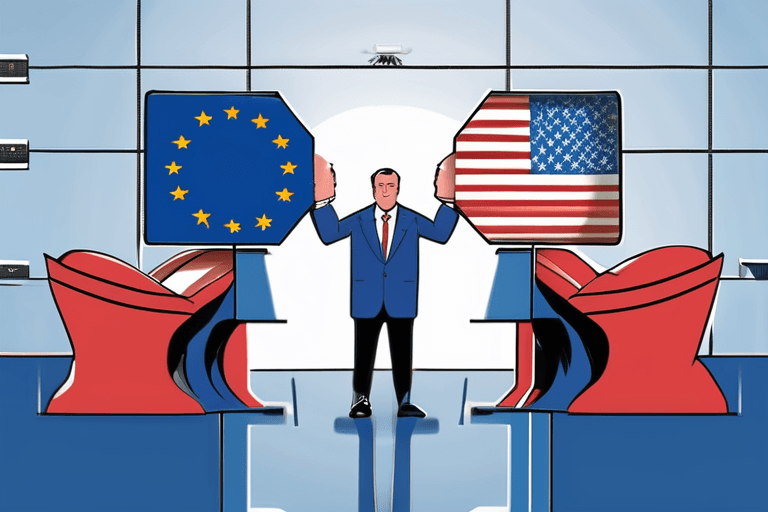
EU states endorsed a landmark free trade agreement with Mercosur nations, a move poised to reshape transatlantic commerce after a quarter-century of negotiations. The agreement, encompassing Argentina, Brazil, Paraguay, and Uruguay, triggered immediate backlash from agricultural sectors across Europe.
The deal aims to eliminate tariffs on over 90% of goods traded between the two blocs, potentially saving EU companies over €4 billion annually in duties. Mercosur countries, in turn, gain greater access to the EU's vast consumer market. However, the agreement sparked protests, with farmers in Poland, France, Greece, and Belgium blocking roads in protest of potential market disruption and unfair competition.
The agreement's impact extends beyond tariffs. It encompasses intellectual property rights, sanitary and phytosanitary standards, and sustainable development commitments. The EU anticipates increased exports of manufactured goods, automobiles, and machinery, while Mercosur expects to boost exports of agricultural products, particularly beef, poultry, and sugar. This shift in trade dynamics could significantly alter market shares and pricing structures within the agricultural sector, impacting both European and South American producers.
The Mercosur bloc represents a significant economic force in Latin America. While individual economies within the bloc face challenges, the collective market offers substantial opportunities for EU businesses. The agreement aims to foster greater economic integration and investment flows, potentially stimulating growth and job creation in both regions.
Looking ahead, the agreement faces further scrutiny and ratification by the European Parliament and national legislatures. The implementation phase will be crucial in addressing concerns raised by farmers and environmental groups. The long-term success of the deal hinges on effective enforcement of sustainability clauses and mechanisms to mitigate potential negative impacts on vulnerable sectors. The agreement's impact will also depend on the evolving geopolitical landscape and the ability of both blocs to navigate trade tensions and promote fair competition.















Discussion
Join the conversation
Be the first to comment