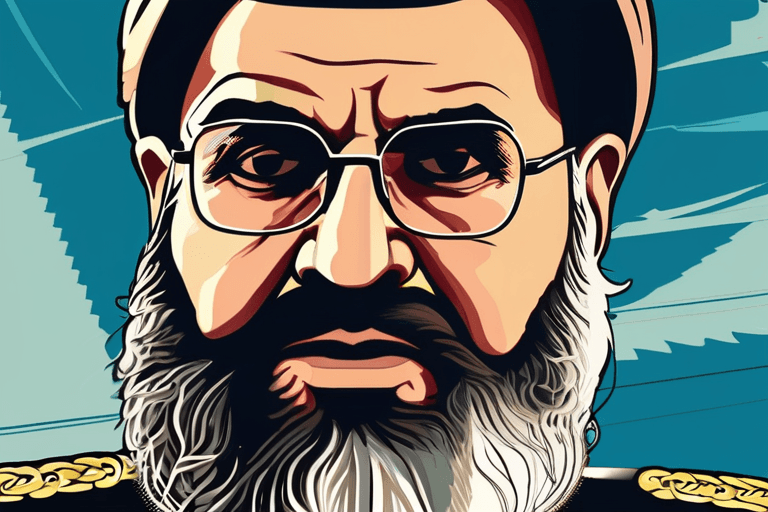
Iran's Supreme Leader Ayatollah Ali Khamenei vowed on Friday that the government would not back down in the face of widespread protests that have swept the nation in recent weeks. The statement came as the country's leadership signaled a potential escalation in its crackdown on demonstrators.
Khamenei, in a televised speech in Tehran, accused protesters of vandalism and attempting to appease President Trump. "There are people whose job is only about destruction," he said.
Hours later, Iran's Supreme National Security Council announced that "saboteurs" would face severe consequences, indicating a hardening stance against the uprisings. This was one of several official statements on Friday suggesting the government was prepared to intensify its response, despite pledges from President Trump to support protesters facing lethal force.
Tehran's public prosecutor, Ali Salehi, stated that individuals involved in sabotage, vandalism, and clashes with security forces could face the death penalty by hanging. His comments, carried by Iran's state broadcaster, emphasized the government's resolve: "We will not compromise with armed terrorists."
The protests, which began in late December, have grown in size and scope, demanding the ouster of the government. In response, the Iranian government imposed an internet blackout on Thursday, disrupting communication and information flow within the country.
The demonstrations initially erupted over economic grievances and perceived government corruption but have since evolved into broader calls for political change. The government has blamed foreign adversaries for instigating the unrest, a claim echoed by Khamenei in his address.
The international community has expressed concern over the escalating violence and the government's response to the protests. Some nations have called for restraint and respect for the rights of protesters to peacefully assemble and express their grievances. The United States has condemned the crackdown and pledged to hold the Iranian government accountable for its actions.
The situation remains fluid, with the potential for further escalation. The government's determination to suppress dissent clashes with the protesters' resolve to demand change, raising concerns about the future stability of Iran.
















Discussion
Join the conversation
Be the first to comment