The government is facing criticism for allegedly delaying the implementation of legislation addressing deepfakes, particularly in light of the emergence of Grok AI, a new artificial intelligence model capable of generating realistic synthetic media. Critics argue that the delay leaves the public vulnerable to misinformation and manipulation, especially as the technology becomes more sophisticated and accessible.
The accusation centers on the perceived slow pace of progress on a proposed bill aimed at regulating the creation and distribution of deepfakes. The bill, initially drafted six months ago, remains under review by a parliamentary committee, with no clear timeline for its passage into law. "The longer we wait, the more opportunities there are for malicious actors to exploit these technologies," said Laura Cress, a leading AI ethics researcher, in a statement released earlier this week. "We need a legal framework in place to deter abuse and hold perpetrators accountable."
Deepfakes, short for "deep learning fakes," are synthetic media, typically videos or audio recordings, in which a person's likeness or voice is digitally manipulated to depict them saying or doing things they never actually said or did. These are created using advanced artificial intelligence techniques, particularly deep learning algorithms, which analyze vast amounts of data to learn and replicate patterns in human speech and behavior. Grok AI, developed by xAI, Elon Musk's artificial intelligence company, is the latest in a series of AI models capable of generating increasingly realistic deepfakes. Its ability to rapidly create convincing synthetic content has heightened concerns about the potential for misuse.
The implications of deepfakes extend beyond mere entertainment. They can be used to spread disinformation, damage reputations, influence elections, and even incite violence. The lack of clear legal guidelines makes it difficult to prosecute individuals who create and disseminate malicious deepfakes. Current laws, such as those addressing defamation and fraud, may not be sufficient to address the unique challenges posed by this technology.
"The existing legal framework is simply not equipped to deal with the speed and sophistication of deepfake technology," explained legal scholar Dr. Anya Sharma. "We need specific legislation that addresses the creation, distribution, and intent behind deepfakes."
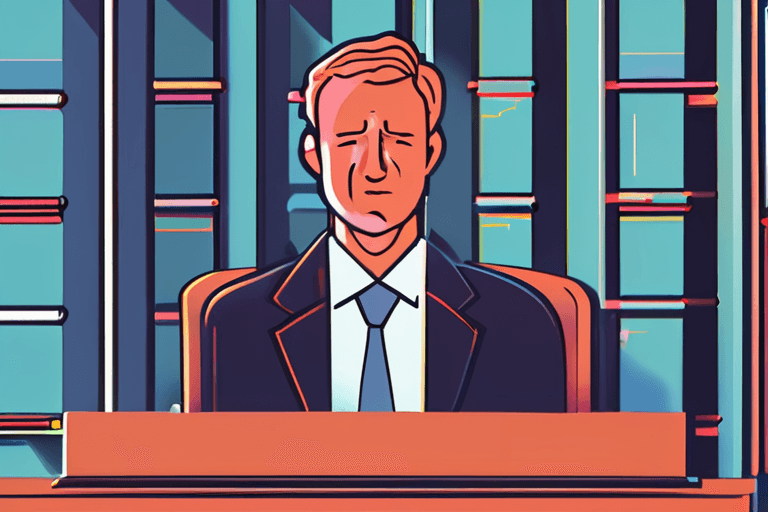
The government has defended its approach, stating that it is taking a measured and considered approach to ensure that any legislation is effective and does not stifle legitimate uses of AI technology. A spokesperson for the Ministry of Technology stated that the committee is carefully examining the technical and legal complexities of deepfakes to craft a bill that strikes the right balance between protecting the public and fostering innovation. The spokesperson added that the government is consulting with experts in AI, law, and ethics to ensure that the legislation is robust and future-proof.
However, critics remain skeptical, arguing that the government's response is inadequate given the rapid pace of technological development. They point to other countries that have already enacted laws to regulate deepfakes, such as China and the European Union, as examples of proactive action. The debate over deepfake legislation is likely to continue in the coming months, with pressure mounting on the government to take decisive action to address the growing threat of synthetic media. The parliamentary committee is expected to release its report on the proposed bill in the next quarter, which will likely shape the future of deepfake regulation in the country.














Discussion
Join the conversation
Be the first to comment