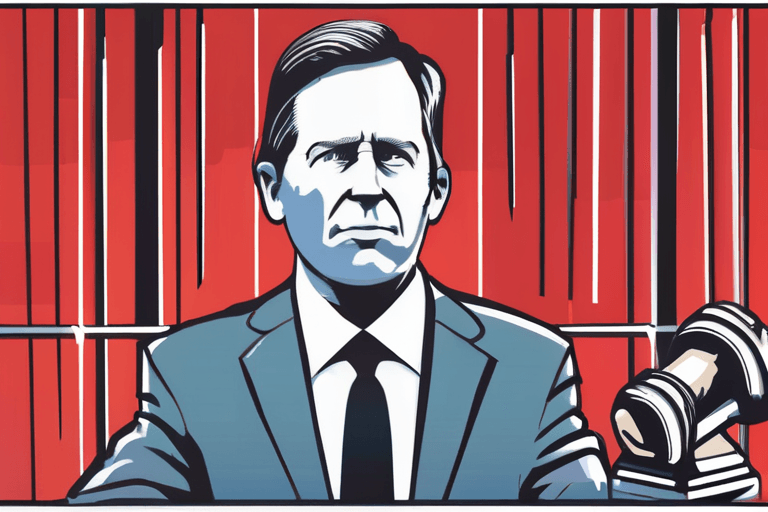
A Utah lawmaker proposed a bill this week that would impose a tax on porn sites operating within the state, reigniting debates about free speech and the adult entertainment industry's future. State Senator Calvin Musselman, a Republican, introduced the bill, which seeks to levy a 7 percent tax on total receipts from sales, distributions, memberships, subscriptions, performances, and content deemed harmful to minors. The tax would apply to material produced, sold, filmed, generated, or otherwise based in Utah.
If enacted in May, the bill would also require adult sites to pay a $500 annual fee to the State Tax Commission. According to the legislation, the revenue generated from the tax would be allocated to Utah's Department of Health and Human Services to bolster mental health support for teenagers. Musselman did not respond to requests for comment.
The proposal arrives amid ongoing efforts to regulate the adult industry through age-verification laws, which have already begun to reshape the landscape of online adult content. These laws, designed to prevent minors from accessing explicit material, have faced criticism from free speech advocates who argue they could lead to censorship and restrict access for adults as well.
The adult entertainment industry, a multi-billion dollar global market, has long been a subject of legal and cultural scrutiny. Taxes on adult content are not a new concept, with some states previously exploring similar measures. Proponents argue that such taxes can generate revenue for public services and address potential societal harms associated with the industry. Critics, however, often raise concerns about the constitutionality of such taxes, citing potential violations of the First Amendment and discriminatory targeting of a specific industry.
The Utah bill reflects a broader trend of increasing conservative influence in American politics, with more lawmakers advocating for stricter regulations on adult content. In September, Alabama implemented stricter regulations on adult content. The bill's future remains uncertain as it navigates the legislative process, facing potential legal challenges and debates over its economic impact and constitutionality.
















Discussion
Join the conversation
Be the first to comment