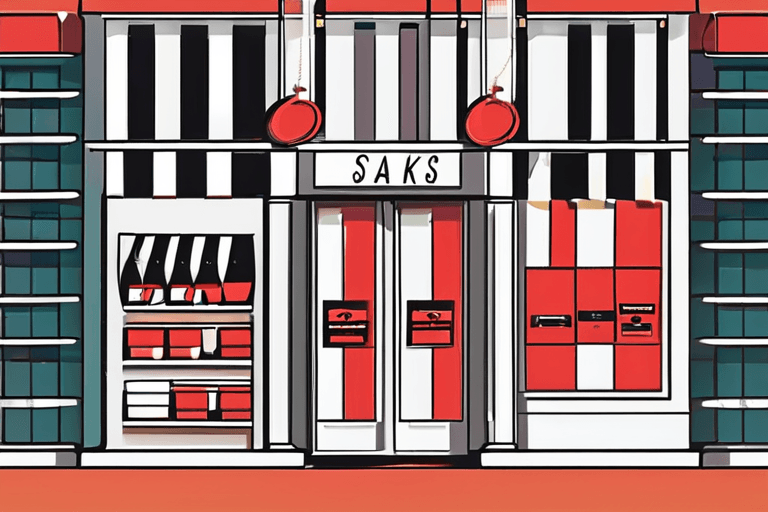
Saks Global, owner of luxury retailers Saks Fifth Avenue and Neiman Marcus, was expected to file for bankruptcy protection imminently, sending ripples of concern through shoppers, vendors, and investors. The move came as the company struggled to stabilize its finances amid shifting consumer behavior and increased competition in the luxury market.
The impending bankruptcy filing followed a period of declining sales and mounting debt for Saks Global. While specific financial figures were not publicly available, industry analysts estimated the company's debt burden to be in the billions of dollars. This financial strain limited Saks Global's ability to invest in crucial areas such as e-commerce infrastructure and store renovations, further impacting its competitiveness. The "out of stock" situation, exemplified by a customer's inability to find a popular Diptyque fragrance at both the Boston and New York flagship stores, highlighted the company's inventory management challenges and potential supply chain disruptions.
The news of Saks Global's financial distress sent shockwaves through the luxury retail market. The company's struggles reflected broader challenges facing brick-and-mortar retailers as consumers increasingly shifted their spending online. The rise of e-commerce platforms and direct-to-consumer brands intensified competition, putting pressure on traditional department stores like Saks Fifth Avenue to adapt and innovate.
Saks Fifth Avenue, an iconic American department store, had long been a symbol of luxury and high-end fashion. However, the brand faced increasing competition from online retailers and other luxury department stores. Saks Global's inability to effectively compete in the evolving retail landscape ultimately led to its financial difficulties.
The future of Saks Fifth Avenue remained uncertain. While bankruptcy protection could provide the company with an opportunity to restructure its debt and operations, a successful turnaround would require significant investment and a clear strategic vision. The company would need to address its inventory management issues, enhance its online presence, and find new ways to attract and retain customers in an increasingly competitive market.


















Discussion
Join the conversation
Be the first to comment