A ban in the United Kingdom is possible for X over concerns regarding deepfakes, a government minister stated. The potential ban stems from the proliferation of AI-generated content that could mislead the public, particularly in the political sphere, according to the minister.
The government is actively reviewing existing legislation to determine whether current laws adequately address the risks posed by deepfakes. "We are exploring all options, including a potential ban, to ensure the public is protected from disinformation and manipulation," the minister said in a statement. The review will consider the impact of deepfakes on elections, public discourse, and national security.
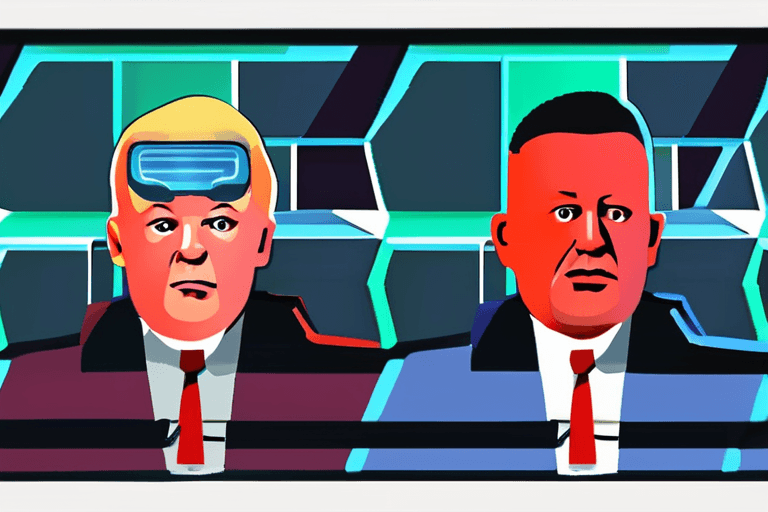
Deepfakes, defined as manipulated or fabricated videos or other media that convincingly depict someone doing or saying something they did not, have become increasingly sophisticated and accessible in recent years. Experts warn that these technologies can be used to spread false information, damage reputations, and incite violence.
The proposed ban has sparked debate among policymakers, tech companies, and civil liberties advocates. Some argue that a ban is necessary to deter the creation and dissemination of malicious deepfakes, while others express concerns about potential censorship and the stifling of legitimate artistic expression.
"We need to strike a balance between protecting the public from harm and preserving freedom of speech," said a spokesperson for a digital rights organization. "A blanket ban could have unintended consequences and disproportionately affect legitimate uses of AI technology."
X has not yet issued a formal statement in response to the minister's remarks. However, the company has previously stated its commitment to combating disinformation on its platform and has implemented measures to detect and remove deepfakes.
The government's review is expected to conclude in the coming months, after which a decision will be made regarding the potential ban. The decision will likely involve consultations with industry stakeholders, legal experts, and the public. The outcome could set a precedent for how other countries regulate deepfakes and other forms of AI-generated content.













Discussion
Join the conversation
Be the first to comment