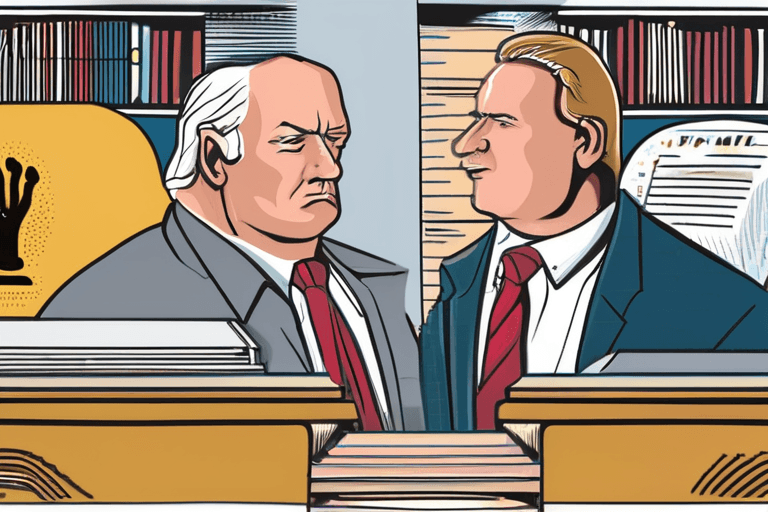
A Utah lawmaker proposed a bill this week that would enforce a tax on porn sites operating within the state, reigniting the debate over the regulation of adult content and its impact on free speech. State Senator Calvin Musselman, a Republican, introduced the bill, which would impose a 7 percent tax on total receipts from sales, distributions, memberships, subscriptions, performances, and content deemed harmful to minors that is produced, sold, filmed, generated, or otherwise based in Utah.
If passed, the bill would go into effect in May and would also require adult sites to pay a $500 annual fee to the State Tax Commission. According to the legislation, the revenue generated from the tax would be allocated to Utah's Department of Health and Human Services to bolster mental health support for teenagers. Musselman did not respond to requests for comment.
The proposed tax comes as age-verification laws continue to reshape the adult industry and spark discussions about online free speech. A new wave of American conservatism has seen more US lawmakers advocating for increased restrictions on adult content. In September, Alabama became the latest state to enact stricter regulations on adult material.
The adult entertainment industry has long been a subject of controversy, with proponents arguing for its artistic and economic value, while critics raise concerns about its potential impact on societal values and public health. The industry's financial footprint is substantial, generating billions of dollars annually and employing countless individuals. However, its cultural impact remains a contentious issue, with debates surrounding its portrayal of sexuality, gender roles, and relationships.
The constitutionality of such taxes remains a key point of contention. Critics argue that targeting specific types of content with taxes could be seen as a form of censorship and a violation of free speech rights. Similar measures have faced legal challenges in the past, with courts often scrutinizing whether the taxes are discriminatory or unduly burden protected expression.
The bill's future remains uncertain as it navigates the legislative process in Utah. It is expected to face scrutiny from both sides of the political spectrum, with debates focusing on its potential economic impact, its implications for free speech, and its effectiveness in addressing concerns about the well-being of minors.













Discussion
Join the conversation
Be the first to comment