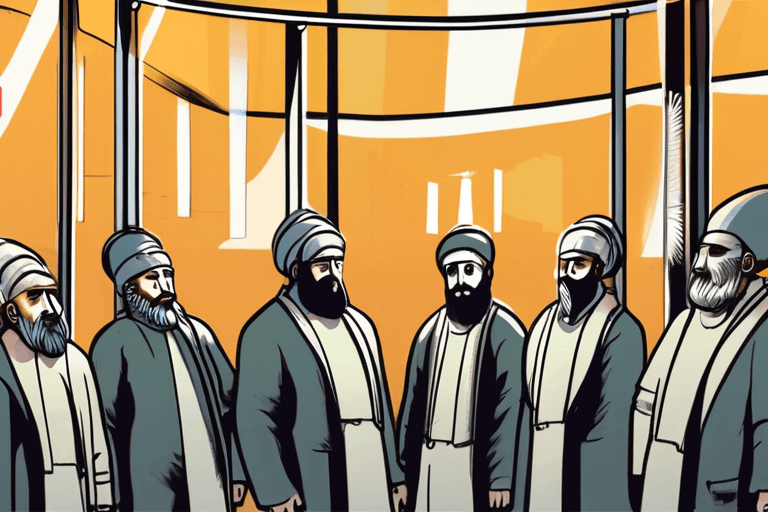
On December 28, the Iranian rial plummeted to a record low against the U.S. dollar, triggering widespread protests fueled by economic anxieties and political discontent. The currency's collapse ignited immediate action, with shopkeepers in Tehran's bazaars, a traditional center of Iranian commerce, organizing strikes and demonstrations within hours.
The protests reflect a culmination of months of growing frustration over a deepening economic crisis, exacerbated by international tensions and internal governance issues. According to Saeed, a Tehran-based tech entrepreneur who requested anonymity due to fear of reprisal, the currency's decline had been devastating. "I made my decision to join before these protests even took place," Saeed said. "I am tired and exhausted by the fools and idiots that get to govern us. I am tired of their theft, corruption and injustice."
The economic turmoil follows a period of heightened geopolitical instability, including a reported Israeli strike on Iranian nuclear facilities in June. This event intensified concerns about potential war and further economic hardship, contributing to a sense of uncertainty among Iranian citizens. Saeed, like many others, had been struggling with the economic fallout, forcing him to lay off employees as his savings dwindled.
The rial's depreciation is linked to a complex interplay of factors, including international sanctions, domestic economic mismanagement, and regional conflicts. Sanctions imposed by the United States and other countries have significantly restricted Iran's access to global markets, limiting its ability to generate revenue and stabilize its currency. Internally, corruption and inefficient economic policies have further weakened the country's financial system.
The current unrest echoes previous periods of protest in Iran, often sparked by economic grievances and demands for political reform. These movements reflect a long-standing tension between the country's clerical leadership and segments of the population seeking greater freedoms and economic opportunities. The international community is closely monitoring the situation, with various governments and organizations calling for restraint and respect for human rights. The future trajectory of the protests and their potential impact on Iran's political landscape remain uncertain.











Discussion
Join the conversation
Be the first to comment