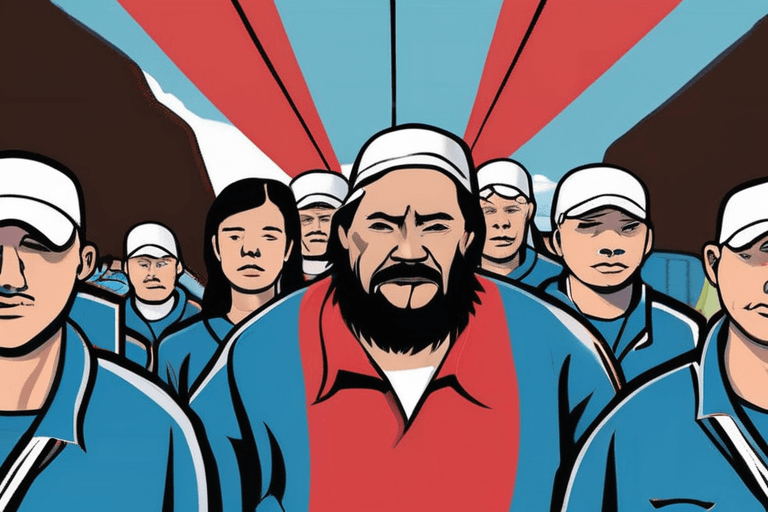
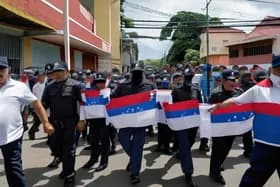
Nicaragua's left-wing government released dozens of prisoners on Saturday, following pressure from the administration of United States President Donald Trump. The government of President Daniel Ortega announced in a statement that scores of individuals within the national penitentiary system were released to their families.
The statement, issued on the 10th of January, did not specify the precise number of those freed, nor did it clarify whether their detentions were politically motivated. While the Nicaraguan government framed the release as a gesture marking 19 years of Ortega's administration, the move comes amid escalating pressure from the U.S. regarding Nicaragua's human rights record and democratic backsliding.
Nicaragua has faced increasing international scrutiny in recent years, particularly since the 2018 protests that were met with a harsh government crackdown. Human rights organizations, including Amnesty International and Human Rights Watch, have documented widespread abuses, including arbitrary arrests, torture, and extrajudicial killings. The Ortega government has consistently denied these allegations, maintaining that it is defending itself against violent coup attempts orchestrated by the opposition and supported by foreign powers.
The United States has imposed sanctions on several Nicaraguan officials, including members of Ortega's family, citing corruption and human rights violations. The Trump administration has been particularly vocal in its criticism of Ortega's government, accusing it of authoritarianism and undermining democratic institutions. The pressure from Washington has included calls for electoral reforms and the release of political prisoners.
The release of prisoners could be interpreted as an attempt by the Ortega government to ease tensions with the U.S. and improve its international image. However, skepticism remains regarding the government's commitment to genuine democratic reforms. Critics argue that the releases may be a tactical maneuver to deflect criticism without addressing the underlying issues of human rights and political freedom.
The situation in Nicaragua remains complex, with a deeply polarized political landscape and a struggling economy. The international community continues to monitor developments closely, with the European Union and other countries also expressing concerns about the human rights situation. The long-term impact of the prisoner release on Nicaragua's relationship with the U.S. and its internal political dynamics remains to be seen.













Discussion
Join the conversation
Be the first to comment