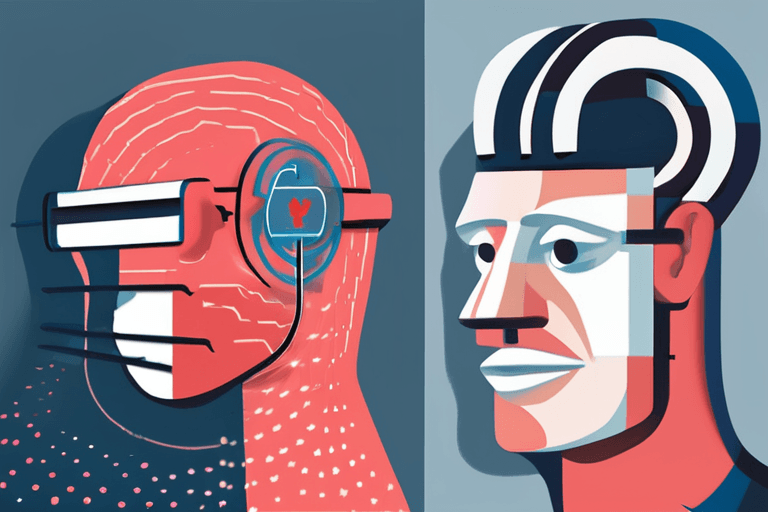
The digital brushstrokes of artificial intelligence are stirring up a storm in the UK. Elon Musk's Grok AI, touted as a revolutionary tool for image manipulation and information access, is facing a wave of criticism, raising fundamental questions about freedom of speech, the potential for misinformation, and the concentration of power in the hands of tech giants. But what exactly is Grok, and why is it causing such a stir across the pond?
Grok, developed by Musk's xAI, is an AI model designed to generate text and images, similar to other AI systems like OpenAI's DALL-E or Google's Gemini. However, Grok is integrated directly into X (formerly Twitter), offering users the ability to create and modify images within the platform. This integration is where much of the controversy begins.
The UK government has voiced concerns over X's decision to limit Grok AI image edits to users who subscribe to X Premium, the platform's paid service. This paywall raises concerns about equitable access to AI tools and the potential for a digital divide, where those who can afford to pay have greater control over the narrative and visual landscape online. Critics argue that this could exacerbate existing inequalities and lead to a skewed representation of reality, particularly in areas like political discourse and social commentary.
"Democratizing access to AI is crucial," says Dr. Anya Sharma, a leading AI ethicist at the University of Oxford. "But putting it behind a paywall creates a two-tiered system where the voices of the less affluent are effectively silenced or diminished. This has serious implications for public discourse and the integrity of information."
Beyond the paywall, concerns are also mounting about the potential for Grok to be used for malicious purposes. The ability to generate realistic images and manipulate existing ones raises the specter of deepfakes and disinformation campaigns. While xAI claims to have safeguards in place to prevent misuse, the technology is still relatively new, and the potential for abuse is significant.
"We've already seen the devastating impact of misinformation on elections and public trust," warns Professor David Miller, a media studies expert at King's College London. "AI tools like Grok could amplify these problems, making it even harder to distinguish between fact and fiction. The responsibility lies with both the developers and the platforms to ensure these technologies are used ethically and responsibly."
The backlash against Grok in the UK is not just about the technology itself, but also about the broader implications of AI development and deployment. It highlights the need for robust regulations, ethical guidelines, and ongoing public dialogue to ensure that AI benefits society as a whole, rather than exacerbating existing inequalities and creating new risks.
Looking ahead, the debate surrounding Grok is likely to intensify as AI technology continues to evolve and become more integrated into our daily lives. The UK government is currently considering new legislation to address the challenges posed by AI, including measures to combat disinformation and promote responsible AI development. The future of AI in the UK, and indeed globally, hinges on our ability to navigate these complex ethical and societal considerations effectively. The Grok controversy serves as a stark reminder that technological progress must be accompanied by careful consideration of its potential consequences.
















Discussion
Join the conversation
Be the first to comment