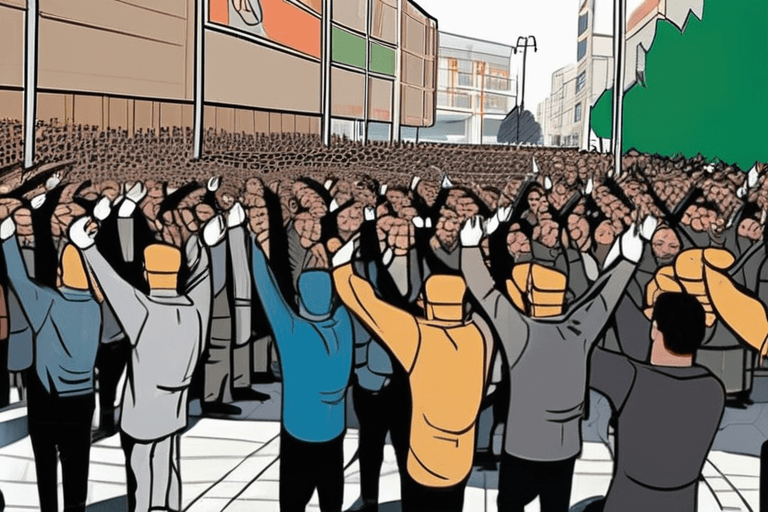
Iran warned it would retaliate if attacked by the United States, as protests continued across the country Saturday night despite a government crackdown. The demonstrations, initially triggered by rising inflation in Tehran, have expanded to over 100 cities and towns throughout Iran, with protesters now demanding an end to the rule of Supreme Leader Ayatollah Ali Khamenei.
Videos verified by the BBC and eyewitness reports indicated an escalation in the government's response to the protests. Medical professionals at two hospitals reported to the BBC that over 100 bodies had been brought in over a two-day period, though the nationwide death toll is feared to be significantly higher.
The United States has threatened potential strikes against Iran in response to the killings of protesters. In response, Iran's parliament speaker stated that if the U.S. were to attack, Israel, along with U.S. military and shipping centers in the region, would be considered legitimate targets.
The protests reflect a broader discontent within Iran, fueled by economic hardship and restrictions on personal freedoms. Iran's attorney general has stated that anyone protesting would be considered an offender. The current unrest echoes similar periods of upheaval in Iran's recent history, including the Green Movement protests of 2009, which followed disputed presidential elections. These events highlight the ongoing tension between the country's clerical leadership and segments of the population seeking greater political and social change.
The international community is closely monitoring the situation. The United Nations has called for restraint and respect for the rights to freedom of expression and peaceful assembly. Western powers have condemned the violence against protesters and are considering further sanctions against Iranian officials involved in the crackdown. The potential for U.S. military action raises concerns about further destabilization in the Middle East, a region already grappling with numerous conflicts and geopolitical tensions. The situation remains fluid, with the possibility of further escalation depending on the actions of both the Iranian government and the international community.















Discussion
Join the conversation
Be the first to comment