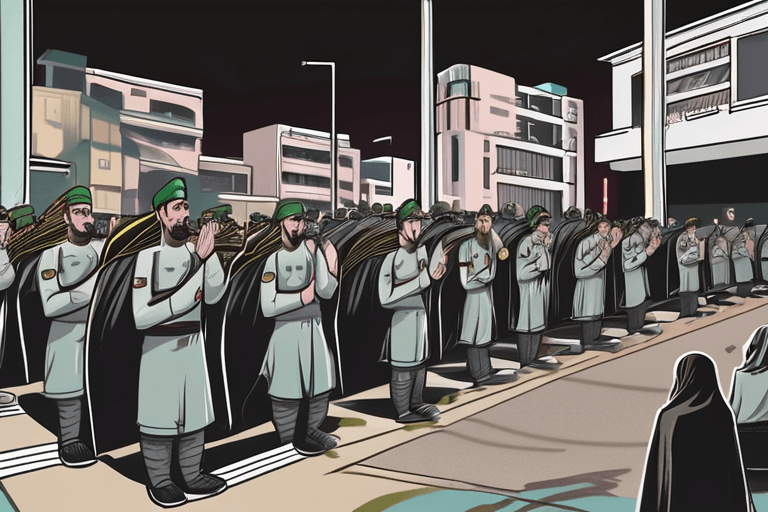
Iran warned it would retaliate against any potential attack by the United States, as protests continued across the country Saturday night despite a government crackdown. The demonstrations, initially triggered by rising inflation in Tehran, have expanded to over 100 cities and towns throughout Iran, with protesters now demanding an end to the clerical rule of Supreme Leader Ayatollah Ali Khamenei.
Videos verified by the BBC and eyewitness reports indicated an intensified government response to the protests. Medical professionals at two hospitals reported to the BBC that over 100 bodies had been received in a two-day period, raising concerns that the actual nationwide death toll could be significantly higher.
The United States has threatened potential action against Iran in response to the killings of protesters. In response, Iran's parliament speaker cautioned that if the U.S. were to attack, Israel, along with U.S. military installations and shipping centers in the region, would be considered legitimate targets. Iran's attorney general has stated that anyone participating in the protests would be considered a criminal.
The protests reflect deeper discontent within Iranian society, fueled by economic hardship and restrictions on personal freedoms. Iran's economy has been struggling under the weight of international sanctions, particularly those imposed by the U.S. following its withdrawal from the 2015 nuclear agreement. This agreement, formally known as the Joint Comprehensive Plan of Action (JCPOA), offered Iran sanctions relief in exchange for limitations on its nuclear program. The U.S. withdrawal and subsequent reinstatement of sanctions have crippled Iran's oil exports and access to international financial markets, contributing to soaring inflation and unemployment.
The current unrest echoes previous periods of protest in Iran, including the Green Movement protests of 2009, which followed disputed presidential elections. These movements reflect a long-standing tension between conservative elements within the ruling establishment and segments of the population seeking greater political and social freedoms.
The international community is closely monitoring the situation in Iran. Many countries have condemned the government's crackdown on protesters, while others have called for restraint and dialogue. The United Nations has urged Iran to respect the rights to freedom of expression and assembly. The European Union is considering further sanctions against Iranian officials involved in the suppression of the protests. The situation remains fluid, with the potential for further escalation and international involvement.













Discussion
Join the conversation
Be the first to comment