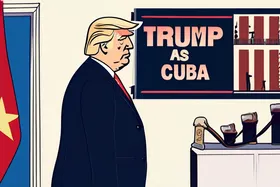
Former NATO commander Richard Shirreff stated Europe must prioritize its own security and decrease its dependence on the United States, citing concerns over potential exploitation of NATO vulnerabilities by Russia. Shirreff made the comments on January 11, 2026, referencing former President Donald Trump's past interest in acquiring Greenland from Denmark as an example of actions that could destabilize the alliance.
Shirreff argued that Trump's pursuit of Greenland, though ultimately unsuccessful, revealed a willingness to prioritize transactional interests over alliance solidarity. "These predatory actions... could allow Russia to exploit a NATO in disarray," Shirreff stated. He emphasized the need for European nations to invest in their own defense capabilities and develop a more unified security strategy.
The comments come amid ongoing debates within NATO regarding burden-sharing and the future of transatlantic relations. For years, the U.S. has pressured European allies to increase their defense spending to meet the agreed-upon target of 2% of GDP. However, some European leaders have expressed reservations about relying solely on military spending, advocating for a broader approach that includes diplomacy, economic cooperation, and cybersecurity initiatives.
The discussion about European strategic autonomy has gained traction in recent years, particularly following events such as the withdrawal of U.S. troops from Afghanistan and differing approaches to international crises. Proponents of greater European independence argue that the continent needs to be able to act decisively in its own interests, regardless of U.S. policy shifts.
The current status of European defense capabilities is mixed. While some nations, such as France and Germany, have made significant investments in their armed forces, others lag behind in meeting NATO spending targets. Efforts are underway to enhance European defense cooperation through initiatives such as the Permanent Structured Cooperation (PESCO), which aims to foster joint development of military capabilities and enhance operational readiness.
Looking ahead, the debate over European security is likely to intensify. The ongoing conflict in Ukraine and evolving geopolitical landscape will continue to shape discussions about the future of NATO and the role of Europe in maintaining its own security. Further developments are expected in the coming months as European leaders grapple with the challenges of balancing transatlantic alliances with the need for greater strategic autonomy.















Discussion
Join the conversation
Be the first to comment