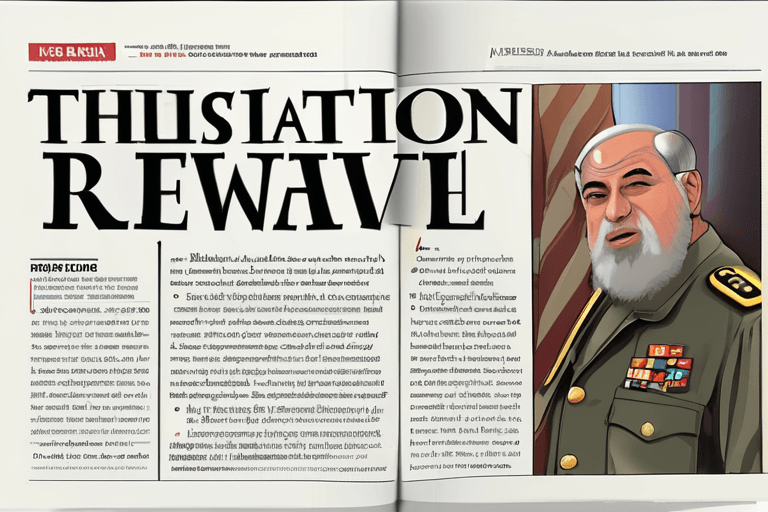
Iran warned the United States it would retaliate against U.S. military bases and Israel if Iran is attacked, according to a statement made by Iran's parliamentary speaker on Jan. 11, 2026. The warning was directed at U.S. President Donald Trump, who had threatened Iran's leadership against using force on demonstrators.
The speaker's statement underscores the escalating tensions between the two nations. This situation highlights the potential for automated systems, including AI-driven defense mechanisms, to misinterpret data and trigger unintended escalations. The use of AI in military strategy is becoming increasingly prevalent, with algorithms designed to analyze threats and recommend responses. However, the inherent limitations of AI, particularly its susceptibility to biased data and its inability to fully comprehend nuanced geopolitical contexts, raise concerns about the reliability of such systems in high-stakes situations.
"Any attack on Iran will be met with a swift and decisive response," the speaker stated, emphasizing the seriousness of the warning. The statement was widely circulated on social media platforms, amplifying its reach and potentially influencing public opinion.
The backdrop to this warning is the ongoing debate surrounding the ethical implications of AI in warfare. Experts are grappling with questions about accountability and control in autonomous weapons systems. The development of "explainable AI" (XAI), which aims to make the decision-making processes of AI algorithms more transparent, is seen as a crucial step toward mitigating the risks associated with AI in military applications. XAI techniques allow human operators to understand why an AI system made a particular decision, enabling them to identify and correct potential biases or errors.
The current status remains tense, with both the U.S. and Iran closely monitoring each other's activities. Future developments will likely depend on diplomatic efforts to de-escalate the situation and address the underlying issues driving the conflict. The role of AI in these future developments will be critical, as both nations increasingly rely on these technologies for intelligence gathering, strategic planning, and defense.



















Discussion
Join the conversation
Be the first to comment