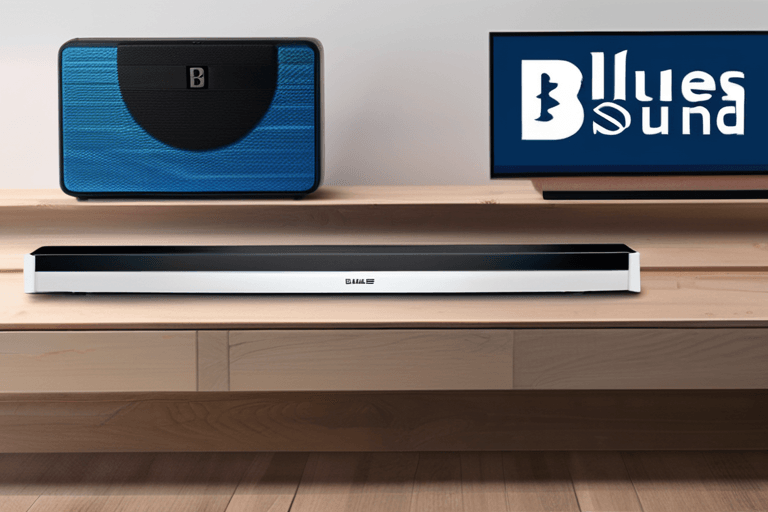
While the Sonos Arc Ultra remains a top contender in the Dolby Atmos soundbar category, Bluesound is gaining traction, especially among former Sonos customers dissatisfied with the company's recent software issues. Bluesound's ecosystem mirrors Sonos' lineup, including speakers, subwoofers, and music streamers, but with a focus on high-resolution audio.
A key advantage of Bluesound is its support for lossless audio formats, which audiophiles value. However, this comes at a premium, with Bluesound devices typically costing 30 to 50 percent more than their Sonos counterparts. Reviewers at WIRED noted the Pulse's excellent dialog and music quality, as well as its expandability for multiroom audio.
Despite its strengths, the Bluesound Pulse has limitations. WIRED pointed out that its Atmos effects could be stronger and that it lacks EQ, channel adjustment, or room tuning features. It also does not support Dolby Atmos Music.
The rise of Bluesound as a Sonos alternative highlights the increasing competition in the home theater audio market. Consumers now have more choices, particularly those prioritizing high-resolution audio and multiroom capabilities. The ongoing developments in wireless audio technology and the increasing demand for high-quality sound experiences are driving this competition.




















Discussion
Join the conversation
Be the first to comment