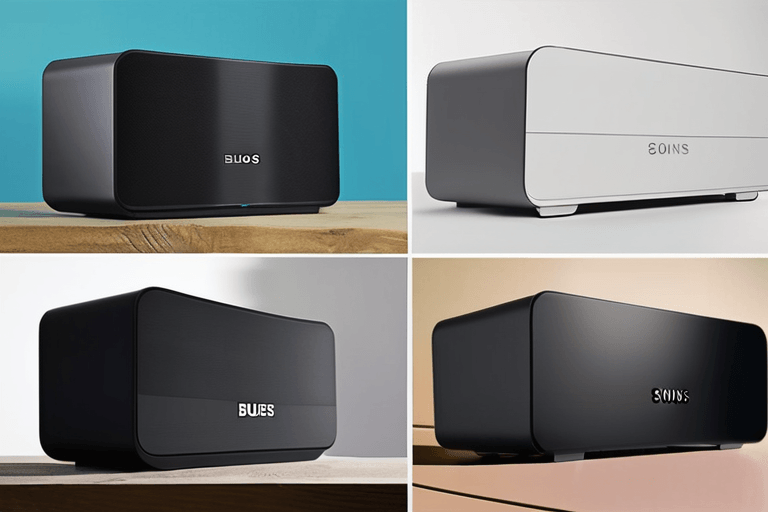
The Pulse soundbar distinguishes itself with excellent dialog and music quality and the ability to expand into a multiroom audio system, similar to Sonos. However, the Bluesound system typically costs 30 to 50 percent more than Sonos products, a factor potential buyers should consider. While the Pulse offers Dolby Atmos, some reviewers noted that its Atmos effects could be stronger. It also lacks features like EQ, channel adjustment, room tuning, and Dolby Atmos Music support.
Bluesound has gained traction as an alternative to Sonos, especially after Sonos faced criticism for its 2024 software updates. This shift highlights a growing trend where consumers are exploring different wireless, multiroom audio ecosystems. Bluesound, a Canadian company, mirrors Sonos' lineup with speakers, subwoofers, and music streamers.
The soundbar market is increasingly competitive, with companies like Sonos and Bluesound vying for dominance. The availability of multiple buying options, including Amazon and Best Buy, makes the Bluesound Pulse accessible to a wide range of consumers. The Pulse's rating of 7 out of 10 reflects its strengths and weaknesses, providing consumers with a balanced perspective.
Currently, Bluesound continues to develop and refine its home theater audio offerings. Future developments may include addressing the limitations identified in reviews, such as enhancing Atmos effects and adding features like EQ and room tuning.




















Discussion
Join the conversation
Be the first to comment