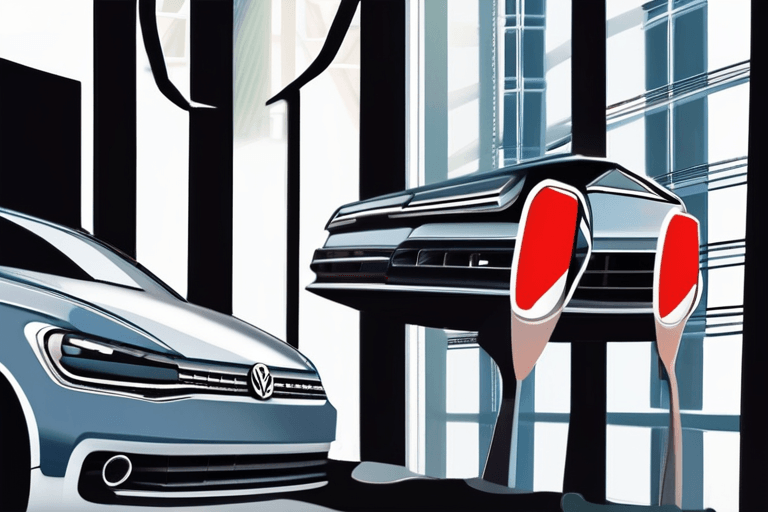
Volkswagen faced significant headwinds in the United States, experiencing a sharp 20 percent decline in sales during the final quarter of 2025. This downturn positioned the German automaker as particularly vulnerable amidst broader challenges impacting the global automotive industry.
The sales slump was attributed to a confluence of factors, including tariffs imposed under the Trump administration, ongoing trade conflicts, and the elimination of incentives designed to encourage electric vehicle adoption. These policy shifts created a difficult operating environment for Volkswagen, impacting its bottom line and market position.
The U.S. car market increasingly diverged from global trends, particularly in the electric vehicle sector. While EV sales continued to expand in China, Europe, and other regions, they faltered in the United States following the withdrawal of tax credits and other supportive measures. This divergence presented a strategic challenge for foreign automakers like Volkswagen, which struggled to reconcile the demands of American consumers with the broader global market and the rising competitive threat from Chinese manufacturers gaining ground in Europe and Asia.
Volkswagen, as a major importer, was disproportionately affected by President Trump's tariffs on imported cars and parts. These levies increased Volkswagen's production costs and put the company at a disadvantage compared to domestic manufacturers. The policy environment in the U.S., now favoring fossil fuels, further complicated Volkswagen's efforts to promote its electric vehicle offerings.
Looking ahead, Volkswagen's ability to navigate these challenges will be crucial to its long-term success in the U.S. market. The company must adapt its product strategy to the specific demands of American consumers while also managing the impact of tariffs and policy uncertainties. The rise of Chinese automakers in the global market adds another layer of complexity, requiring Volkswagen to innovate and compete effectively on both price and technology.



















Discussion
Join the conversation
Be the first to comment