The United States is increasingly perceived as a driver of global instability due to its foreign policy decisions, according to Ian Bremmer, president of the risk analysis firm Eurasia Group. Bremmer argued in an interview on January 11, 2026, that the "America First" approach has positioned the U.S. against the rule of law, free trade, and collective security, altering its role in the international order.
Bremmer stated that the international system, which was largely constructed by the U.S. in the decades following World War II, was already facing significant geopolitical challenges prior to the Trump administration. However, he contends that recent U.S. actions, specifically the projection of power in Venezuela and rhetoric concerning Greenland, have amplified these concerns. These actions, according to Bremmer, make the U.S. appear less reliable to its allies and contribute to heightened geopolitical risk on a global scale.
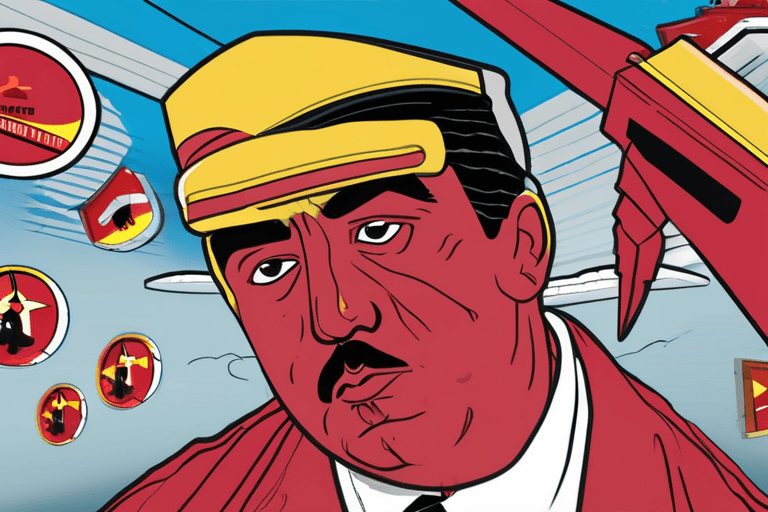
The situation in Venezuela, a nation rich in oil but plagued by economic crisis and political turmoil, has been a focal point of international concern. The U.S. has taken a strong stance against the Maduro government, implementing sanctions and recognizing opposition leader Juan Guaidó as the interim president. This interventionist approach has drawn criticism from some nations, who view it as a violation of national sovereignty and an exacerbation of the country's internal conflicts.
Furthermore, the U.S.'s expressed interest in Greenland, an autonomous territory within the Kingdom of Denmark, sparked diplomatic unease. While the specific details of any potential U.S. acquisition remain unclear, the very suggestion of such a transaction raised questions about the U.S.'s respect for international norms and the territorial integrity of other nations.
The shift in U.S. foreign policy under recent administrations reflects a broader debate about the country's role in the world. Some argue that the U.S. has overextended itself in global affairs, leading to costly interventions and a drain on domestic resources. Others maintain that U.S. leadership is essential for maintaining stability and promoting democracy around the world. This divergence in viewpoints contributes to the ongoing uncertainty about the future direction of U.S. foreign policy and its impact on the global order.
The implications of these developments are far-reaching, potentially affecting trade relations, security alliances, and the overall balance of power. As the U.S. navigates its role in a rapidly changing world, its actions will continue to be closely scrutinized by allies and adversaries alike. The coming months will be crucial in determining whether the U.S. can restore trust with its partners and mitigate the risks of further geopolitical instability.














Discussion
Join the conversation
Be the first to comment