The nuclear industry is experiencing a resurgence, fueled by renewed interest in smaller, more modular reactor designs and significant investor funding. In the final weeks of 2025, nuclear startups secured $1.1 billion in investments, driven by optimism that these smaller reactors can overcome the challenges that have plagued the broader nuclear industry.
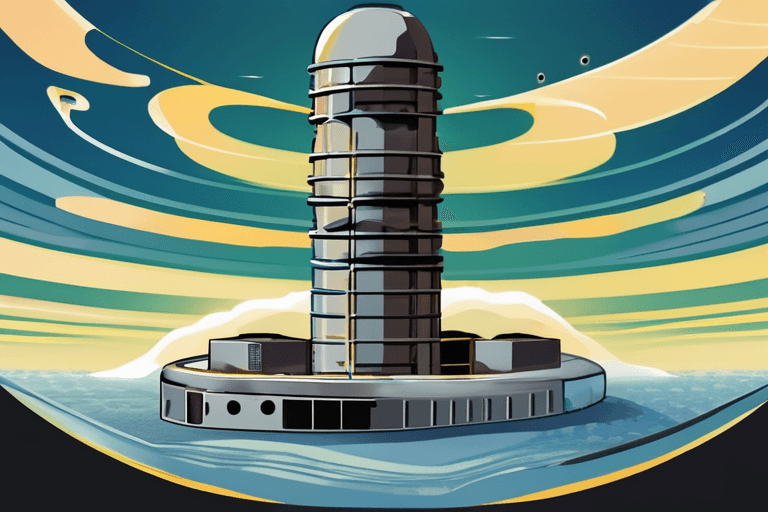
Traditional nuclear power plants are large-scale infrastructure projects. The Vogtle 3 and 4 reactors in Georgia, for example, utilize thousands of tons of concrete, 14-foot fuel assemblies, and each generates over 1 gigawatt of electricity. However, these projects also faced significant delays, running eight years behind schedule and exceeding budget by more than $20 billion.
A new generation of nuclear startups is betting that smaller reactor designs will offer a solution to these problems. The concept is that by reducing the size of the reactor, companies can leverage mass production techniques to lower costs. The idea is that as more parts are produced, the manufacturing process becomes more efficient, driving down overall expenses. Experts are still researching the extent of these cost benefits, but nuclear startups are relying on them to be substantial.
The appeal of small modular reactors (SMRs) lies in their potential for scalability. Need more power? The idea is to simply add more reactors. This modular approach also allows for greater flexibility in deployment, potentially enabling nuclear power generation in locations unsuitable for traditional large-scale plants.
However, manufacturing at scale presents its own set of challenges. Maintaining quality control, securing supply chains, and navigating regulatory hurdles are all critical factors that will determine the success of these ventures. The nuclear industry is heavily regulated, and startups will need to demonstrate the safety and reliability of their designs to gain approval from regulatory bodies like the Nuclear Regulatory Commission (NRC).
The industry's resurgence is driven by a growing recognition of nuclear power's potential to provide clean, reliable energy. As governments and businesses seek to reduce carbon emissions and transition to a more sustainable energy future, nuclear power is being re-evaluated as a key component of the energy mix. The success of these nuclear startups will depend on their ability to deliver on the promise of smaller, more affordable, and more easily deployable reactors.















Discussion
Join the conversation
Be the first to comment