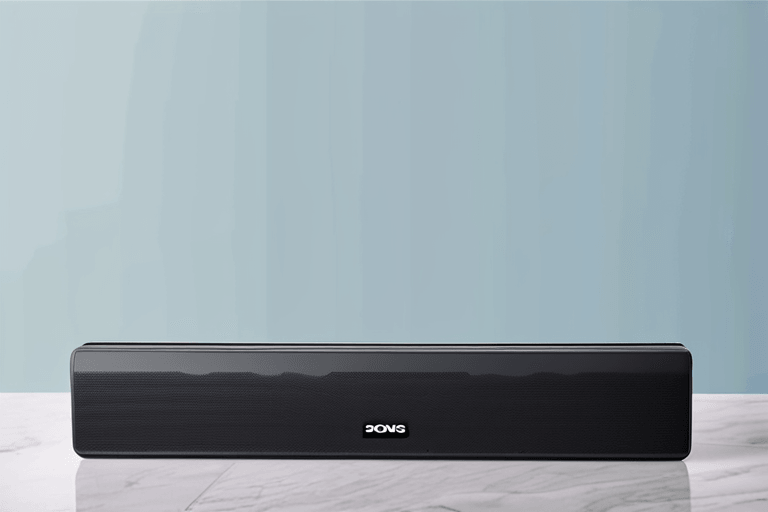
The soundbar's emergence as a competitor comes as Sonos continues to address the fallout from its 2024 software update issues, prompting some customers to explore alternative wireless audio systems. Bluesound, a Canadian company, has gained traction among users who prioritize lossless, hi-res audio formats, even at a premium, as Bluesound devices typically cost 30 to 50 percent more than comparable Sonos products.
While the Sonos Arc Ultra remains a top contender in the Dolby Atmos soundbar market, Bluesound's Pulse offers a compelling option for those invested in the Bluesound ecosystem or seeking superior audio fidelity. However, the WIRED review noted that the Pulse's Atmos effects could be stronger and that it lacks EQ, channel adjustment, or room tuning features, as well as Dolby Atmos Music support.
Bluesound's product lineup mirrors Sonos' offerings, including speakers, subwoofers, and music streamers. The company has been expanding its presence in the home theater audio market, though it has historically lagged behind Sonos in this area. The Pulse soundbar represents a significant step in Bluesound's efforts to compete more directly in the home theater space.
Currently, the Bluesound Pulse is available for purchase at retailers such as Amazon and Best Buy, with prices ranging from $1,499 to $1,500. The soundbar's performance and feature set will likely be compared against other premium soundbars as consumers continue to seek alternatives in the evolving wireless audio market.




















Discussion
Join the conversation
Be the first to comment