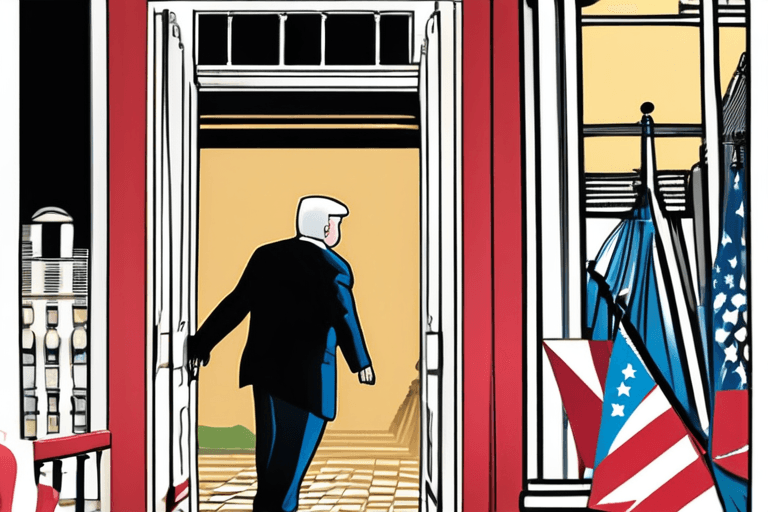
U.S. President Donald Trump urged Cuba to "make a deal" amid escalating tensions between the two nations and a tightening of U.S. sanctions. Trump's statement, posted on Truth Social on Sunday, warned of consequences if Cuba did not comply, specifically targeting the flow of Venezuelan oil and financial support to the island nation.
Trump asserted that Venezuela, a long-standing ally of Cuba, would no longer be able to provide the same level of support. "THERE WILL BE NO MORE OIL OR MONEY GOING TO CUBA - ZERO! I strongly suggest they make a deal, BEFORE I..." he wrote, leaving the threat open-ended. For years, Cuba has reportedly received approximately 35,000 barrels of oil per day from Venezuela in exchange for security services provided to the Venezuelan government.
The Cuban government responded defiantly to Trump's remarks. Cuba's Foreign Minister asserted the nation's right to import fuel "without interference," while the Cuban President declared, "No one dictates what we do."
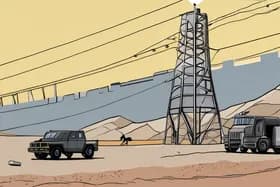
The Trump administration has been actively working to disrupt the relationship between Venezuela and Cuba. A key tactic has been the confiscation of Venezuelan oil tankers allegedly carrying sanctioned oil to Cuba. Last Friday, U.S. authorities seized a fifth such tanker, further exacerbating an already precarious fuel and electricity crisis in Cuba.
The historical context of U.S.-Cuba relations is crucial to understanding the current situation. Following the Cuban Revolution in 1959, the United States imposed a comprehensive embargo on Cuba, which remains largely in place today. This embargo has significantly impacted the Cuban economy and its ability to access international markets. Cuba's alliance with Venezuela, particularly during the presidency of Hugo Chávez, provided a vital lifeline, offering subsidized oil and economic assistance.
Venezuela's own political and economic crisis, coupled with increasing U.S. pressure, has weakened its ability to support Cuba. The U.S. intervention in Venezuela, including the seizure of Nicolás Maduro in a January 3 raid on Caracas, has further complicated the situation. The U.S. recognizes opposition leader Juan Guaidó as the legitimate president of Venezuela, adding another layer of complexity to the regional dynamics.
The current situation reflects a broader geopolitical struggle for influence in Latin America. The United States has historically viewed Cuba's communist government with suspicion, while Cuba has sought to maintain its sovereignty and independence in the face of U.S. pressure. The future of U.S.-Cuba relations remains uncertain, but Trump's latest statement suggests a continued policy of confrontation and economic pressure. The international community is watching closely, as the outcome could have significant implications for regional stability and the Cuban people.











Discussion
Join the conversation
Be the first to comment