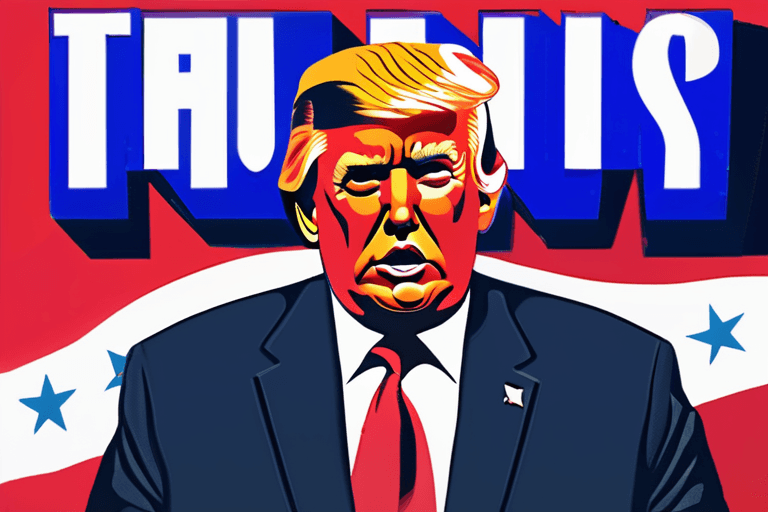
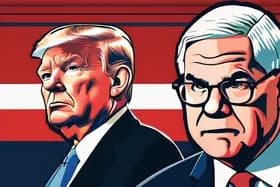
U.S. President Donald Trump urged Cuba to "make a deal" amid escalating tensions between the two nations and the disruption of Venezuelan oil shipments to the island. Trump's statement, posted on Truth Social on Sunday, warned of consequences if Cuba did not comply, stating, "THERE WILL BE NO MORE OIL OR MONEY GOING TO CUBA - ZERO! I strongly suggest they make a deal, BEFORE I..." The warning comes after U.S. forces seized Venezuelan leader Nicolás Maduro in a January 3 raid on Caracas, and as the Trump administration intensifies its efforts to isolate both Cuba and Venezuela.
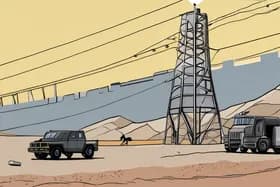
Venezuela, a long-standing ally of Cuba, has historically supplied the island with approximately 35,000 barrels of oil per day. This oil has been crucial for Cuba's energy needs and economic stability. In return, according to Trump, Cuba provided "Security Services" to the Venezuelan government. The U.S. has been actively targeting Venezuelan oil shipments as part of its broader sanctions regime against the Maduro government, which it accuses of corruption and human rights abuses.
Cuba's foreign minister responded to Trump's statement by asserting the nation's right to import fuel "without interference." The Cuban president echoed this sentiment, stating, "No one dictates what we do." The seizure of Venezuelan oil tankers by the U.S. has already exacerbated fuel shortages and electricity crises in Cuba, impacting daily life for ordinary citizens. On Friday, U.S. authorities seized a fifth oil tanker allegedly carrying sanctioned oil from Venezuela.
The relationship between the United States and Cuba has been fraught with tension since the Cuban Revolution in 1959. The U.S. imposed a comprehensive embargo on Cuba in 1962, which has remained in place for decades, despite calls from some quarters for its removal. While there was a period of thawing relations under the Obama administration, the Trump administration has reversed many of those policies, tightening restrictions on trade, travel, and financial transactions.
The current situation reflects a complex interplay of geopolitical interests, ideological differences, and economic pressures. The U.S. seeks to exert pressure on both Cuba and Venezuela to promote democratic reforms and end what it sees as destabilizing activities in the region. Cuba, on the other hand, maintains its socialist system and defends its sovereignty against what it views as U.S. interference. The future of U.S.-Cuban relations remains uncertain, with the potential for further escalation or a negotiated resolution depending on the actions of both governments.











Discussion
Join the conversation
Be the first to comment