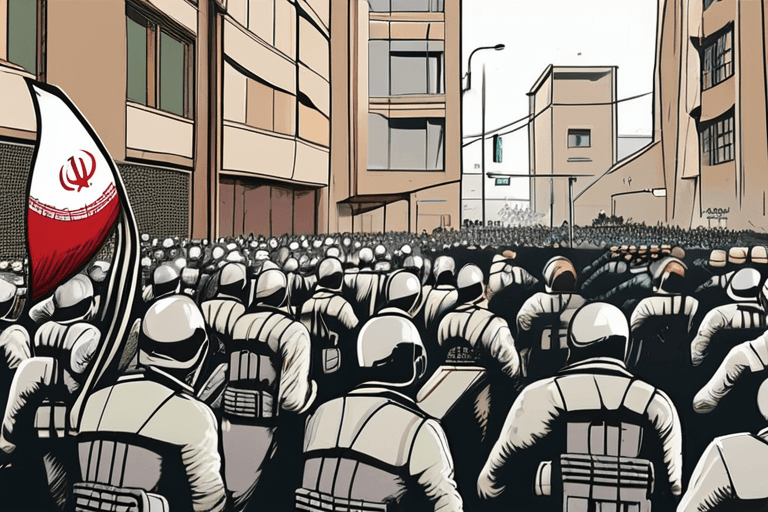
Iran's Foreign Minister Abbas Araghchi claimed that recent nationwide protests in Iran became violent in order to create a pretext for military intervention by the United States under President Donald Trump. Speaking to foreign diplomats in Tehran on Monday, Araghchi stated that the violence escalated significantly over the weekend, but that the situation is currently under complete control.
Araghchi asserted that Trump's warning of potential military action against Tehran, should the protests turn bloody, motivated terrorists to target both protesters and security forces, with the goal of inviting foreign intervention. He added, "We are ready for war but also for dialogue."
The protests, which began earlier this month in Mashhad and spread to other cities, initially focused on economic grievances, including rising inflation and unemployment. These demonstrations reflect long-standing discontent within Iran over economic inequality and a lack of opportunities, particularly among younger Iranians. The Iranian economy has been strained in recent years by international sanctions and internal economic policies.
The United States, under President Trump, has maintained a hard-line stance towards Iran, withdrawing from the 2015 nuclear deal and reimposing sanctions. This policy has been criticized by European powers, who remain committed to the nuclear agreement and advocate for dialogue with Iran. Trump's administration has repeatedly condemned the Iranian government's response to the protests and expressed support for the Iranian people.
The Iranian government has accused foreign powers, including the United States and Saudi Arabia, of fomenting unrest within the country. These accusations reflect a broader geopolitical context of regional rivalry and proxy conflicts between Iran and its adversaries. The government's response to the protests has drawn condemnation from human rights organizations, who have raised concerns about the use of force against demonstrators and restrictions on freedom of expression.
The situation in Iran remains tense, with the potential for further protests and escalating violence. The government faces the challenge of addressing the underlying economic grievances that have fueled the unrest, while also navigating a complex international environment marked by heightened tensions and the threat of foreign intervention.









Discussion
Join the conversation
Be the first to comment