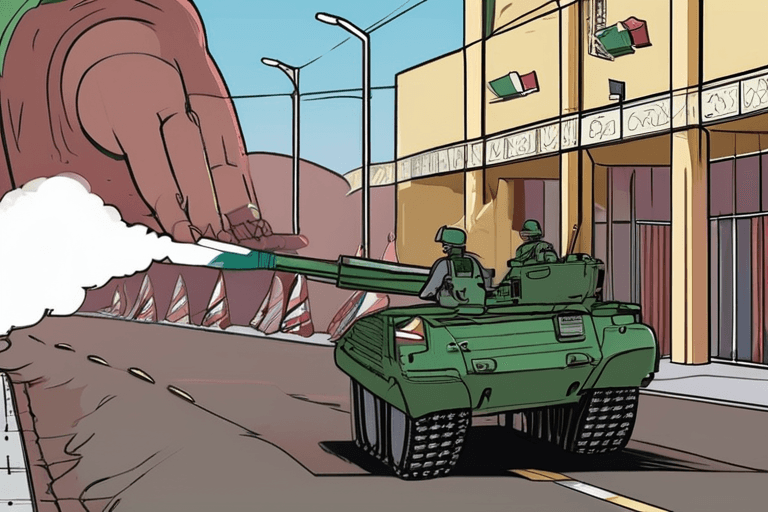
Iran's Foreign Minister Abbas Araghchi claimed that recent nationwide protests in Iran became violent in order to create a pretext for military intervention by the United States under President Donald Trump. Speaking to foreign diplomats in Tehran on Monday, Araghchi stated that the violence escalated significantly over the weekend, but the situation is now under complete control, according to Al Jazeera.
Araghchi asserted that Trump's warning of potential military action against Tehran, should the protests turn violent, motivated "terrorists" to target both protesters and security forces, with the intention of inviting foreign intervention. He added, "We are ready for war but also for dialogue."
The protests, which began earlier in January 2026, initially focused on economic grievances and government accountability. The unrest reflects long-standing discontent within Iran over issues such as inflation, unemployment, and perceived corruption. Similar protests have occurred in Iran in recent years, notably in 2017-2018 and 2019, often met with government crackdowns.
The Iranian government has consistently accused foreign powers, particularly the United States, of fueling the protests. These accusations come against a backdrop of heightened tensions between Iran and the U.S., especially since the U.S. withdrawal from the Iran nuclear deal in 2018 and the reimposition of sanctions. Iran views the U.S. sanctions as economic warfare, contributing to the country's economic difficulties and public discontent.
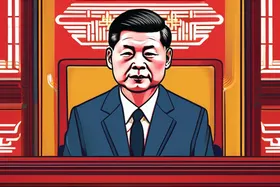
Trump's administration has taken a hard-line stance against Iran, frequently criticizing its human rights record and regional policies. Trump has stated the U.S. is considering "very strong options" regarding Iran. This has prompted concern from other international actors who fear further escalation in the region.
The current situation in Iran remains tense. While Araghchi claims the situation is under control, reports of ongoing protests and security measures continue to emerge. The international community is closely watching the developments, with many urging restraint and dialogue to prevent further instability in the region.













Discussion
Join the conversation
Be the first to comment