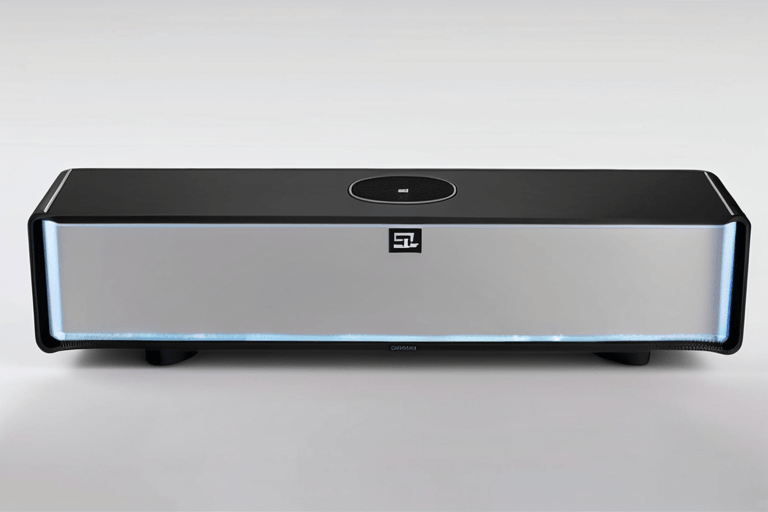
The soundbar is part of Bluesound's broader ecosystem, which includes speakers, subwoofers, and music streamers, mirroring Sonos' product range. Bluesound has gained traction among audiophiles due to its support for lossless, hi-res audio formats, a feature that distinguishes it from some competitors. However, this premium audio quality comes at a cost, with Bluesound devices typically priced 30 to 50 percent higher than their Sonos counterparts.
WIRED noted some drawbacks to the Pulse, including weaker Dolby Atmos effects and the absence of EQ, channel adjustment, or room tuning features. The soundbar also lacks Dolby Atmos Music support.
The rise of Bluesound as a Sonos alternative comes at a time when Sonos is still addressing the fallout from its 2024 software update issues. This situation has led some Sonos customers to explore alternative wireless, multiroom audio systems.
While the Sonos Arc Ultra remains a top contender in the Dolby Atmos soundbar market, Bluesound's Pulse presents a viable option for users prioritizing high-resolution audio and multiroom capabilities, despite its higher price point and some limitations in surround sound performance. The Bluesound Pulse is available for purchase at retailers such as Amazon and Best Buy, with prices around $1,499 and $1,500 respectively.


















Discussion
Join the conversation
Be the first to comment