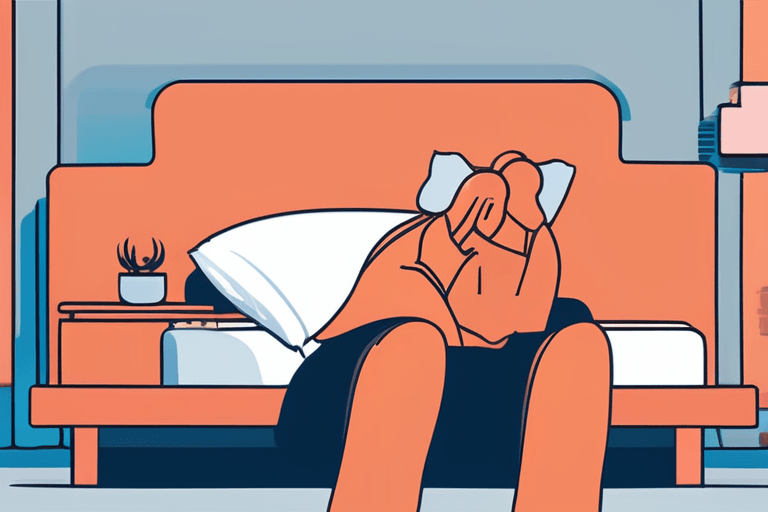
A growing number of adults are seeking professional sleep coaching, mirroring a trend previously seen with newborns, as anxieties surrounding sleep have surged, impacting overall well-being. A recent Gallup poll indicated that 57 percent of Americans believe they would feel better with more sleep, a significant jump from 43 percent in 2013, signaling a dramatic shift in sleep patterns reminiscent of a team struggling to maintain its winning record. Only about a quarter of those surveyed reported getting the recommended eight or more hours of sleep per night, a drop from 34 percent a decade earlier, mirroring a team's star player's declining performance under pressure.
Sleep professionals are now stepping up to help adults achieve restful nights, much like a coach strategizing to improve a team's performance. One sleep consultant, who previously worked with children, recognized the unmet need among adults and began offering her expertise to this demographic. "It's entirely possible to transform daytime and nighttime habits to optimize for good sleep," she stated, emphasizing the potential for improvement, similar to how a dedicated coach can turn a losing team into champions.
The increased demand for sleep coaching reflects a broader societal struggle with relaxation and disconnecting from daily stressors. Margaret Thatcher, known for her limited sleep, famously quipped, "Sleep is for wimps!" However, experts argue that sleep is essential for optimal performance, akin to how rest and recovery are crucial for athletes. Achieving true relaxation requires discipline and training, much like mastering any athletic skill.
Adults typically seek sleep coaching for two primary reasons, according to experts. These reasons are similar to how athletes seek coaching to improve their performance or overcome obstacles.
The rise in sleep-related issues and the subsequent demand for sleep coaching highlight the importance of prioritizing rest in today's fast-paced world. Just as a team needs a well-rested roster to compete effectively, individuals need adequate sleep to function at their best. The current trend suggests a growing awareness of this connection, with more people seeking professional guidance to improve their sleep habits and overall well-being.


















Discussion
Join the conversation
Be the first to comment