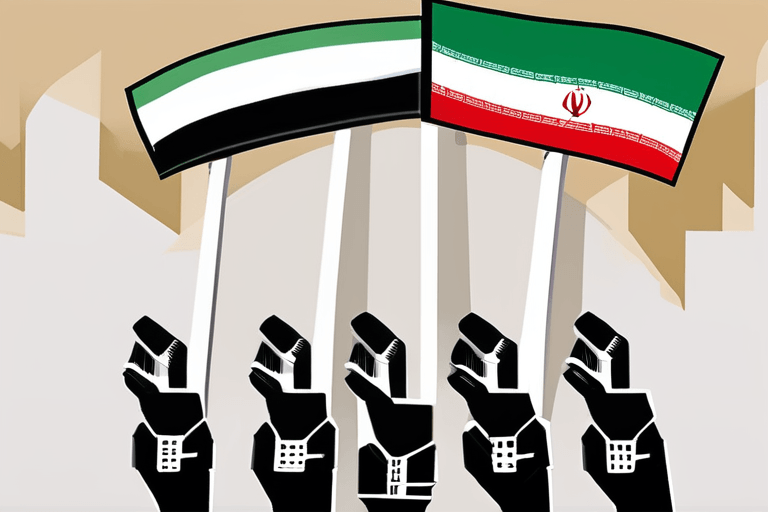
A severe crackdown by the Iranian government on protesters has resulted in a significant increase in the death toll, with human rights organizations reporting hundreds of casualties. The government shows no signs of easing its response to the demonstrations, which began two weeks ago over economic grievances.
Despite a near-total internet shutdown and severe restrictions on phone communications within Iran, reports are emerging that include verified videos of protester deaths and images of bodies in body bags outside hospitals. The situation presents a major challenge to the Iranian authorities, according to some experts, marking one of the most serious crises since the Islamic Revolution nearly five decades ago.
President Masoud Pezeshkian, after initially expressing some sympathy toward the protesters, adopted a more stringent position in a recent interview on Iranian state television. He stated that while he was working to address the economic concerns of the protesters, he would not allow rioters to destabilize the country.
The protests and the government's response are occurring against a backdrop of economic hardship in Iran, exacerbated by international sanctions. The sanctions, primarily imposed by the United States, have targeted Iran's oil exports and financial sector, limiting the country's access to foreign currency and contributing to inflation and unemployment.
Late Sunday, President Trump warned that the United States would intervene if the Iranian government killed peaceful protesters. The U.S. government has previously condemned the Iranian government's human rights record and has imposed sanctions on Iranian officials for their involvement in human rights abuses.
The current status of the protests is difficult to ascertain due to the communication blackout. However, reports suggest that demonstrations are continuing in several cities, despite the government's crackdown. The next developments will likely depend on the government's response and the ability of protesters to organize and mobilize in the face of repression.






Discussion
Join the conversation
Be the first to comment