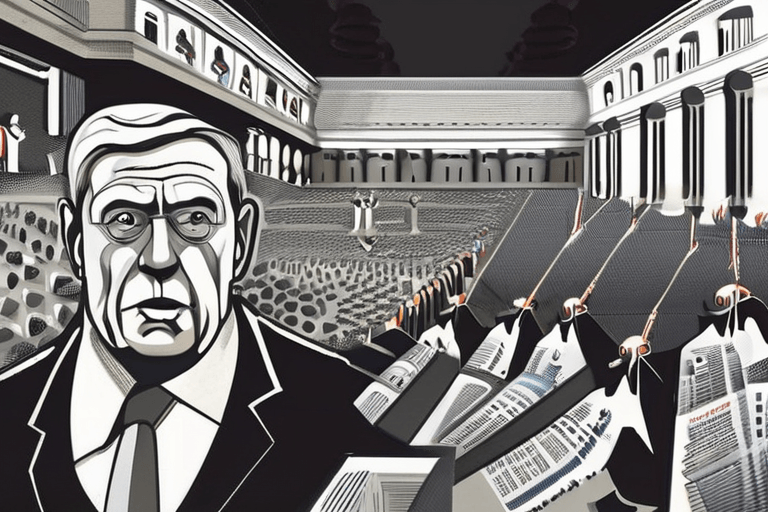
In 1919, leaders of the newly formed German Republic convened in Weimar, Germany, to draft a new national constitution following the overthrow of Emperor Wilhelm II at the end of World War I. The city was chosen for its central location and the German National Theater, which was large enough to accommodate the delegates.
The constitution, approved on August 11, 1919, served as the republic's guiding document for more than a decade until Adolf Hitler dismantled it in 1933. The era became known as the Weimar Republic, named after the city where the constitution was created.
Today, the House of the Weimar Republic, a small museum located across from the theater, commemorates this period. The museum aims to educate visitors on the significance of the Weimar Republic and its lessons for contemporary leaders.
The Weimar Republic emerged from the ashes of World War I, a period of immense social and economic upheaval in Germany. The nation faced hyperinflation, political instability, and deep divisions within society. These challenges ultimately contributed to the republic's downfall and the rise of Nazism.
Historians note that the Weimar Republic's experience offers valuable insights for leaders navigating complex challenges in the 21st century. The republic's struggles with political polarization, economic inequality, and the rise of extremist ideologies resonate with contemporary global issues. The ability of today's leaders to learn from the Weimar Republic's successes and failures could determine whether they can avoid a similar fate.













Discussion
Join the conversation
Be the first to comment