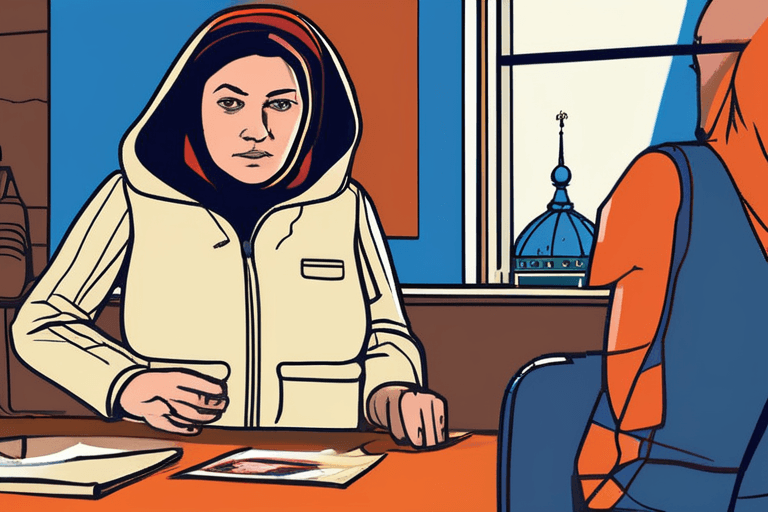
Flames danced around the edges of a passport, the crimson glow illuminating the unseen woman's hand. "It's burning well," she remarked in Russian, her voice laced with a chilling satisfaction. For Omar, a 26-year-old Syrian construction worker stationed on the front lines of Russia's war in Ukraine, the video was a stark symbol of his shattered dreams and a terrifying betrayal. The voice was unmistakable: Polina Alexandrovna Azarnykh, the woman who had lured him to this war-torn land with promises of riches and a new life.
Omar's story is not unique. Across the globe, vulnerable men, often from impoverished nations, are being drawn into the brutal conflict in Ukraine through a complex web of deceit and manipulation. Azarnykh, it appears, is a key player in this shadowy recruitment network, preying on the desperation of those seeking economic opportunity and a better future.
The promise was simple: lucrative work in Russia, leading to citizenship. For Omar, struggling to make ends meet in Syria, the offer was irresistible. He paid Azarnykh 3,000, believing it would secure him a non-combat role. He envisioned a stable job, a chance to rebuild his life. Instead, he found himself thrust into the heart of a bloody war, armed with minimal training and facing unimaginable horrors.
"I was tricked," Omar recounts in a series of voice notes, his voice trembling with fear. "They promised me one thing, and they gave me another." When he refused to pay Azarnykh more money after being deployed to the front lines, she retaliated by destroying his passport, effectively trapping him in a war zone.
The recruitment of foreign fighters by Russia is a complex issue with deep roots in global inequality and geopolitical maneuvering. For decades, Russia has cultivated relationships with countries in the Middle East, Africa, and Central Asia, often offering economic assistance and military training. These ties have created a pool of potential recruits, eager to escape poverty and instability in their home countries.
"Russia is exploiting the vulnerabilities of these individuals," says Dr. Irina Tsukerman, a national security analyst specializing in Russian foreign policy. "They are offering false promises and exploiting their desperation to bolster their forces in Ukraine."
The case of Polina Azarnykh highlights the crucial role of individuals in facilitating this recruitment process. While the exact nature of her relationship with the Russian military remains unclear, her actions suggest a deliberate effort to deceive and exploit foreign nationals.
The burning of Omar's passport is a particularly disturbing example of the tactics employed by Azarnykh. By destroying his travel documents, she effectively stripped him of his identity and freedom, making it virtually impossible for him to leave the war zone.
The international community has condemned the recruitment of foreign fighters by Russia, with many countries urging their citizens not to participate in the conflict. However, the lure of financial gain and the promise of a better life continue to entice vulnerable individuals to risk their lives in Ukraine.
"We need to address the root causes of this problem," says Amnesty International spokesperson, Anya Neistat. "We need to provide economic opportunities and ensure that people are not forced to make desperate choices that put their lives at risk."
As the war in Ukraine drags on, the recruitment of foreign fighters is likely to continue. The stories of men like Omar serve as a stark reminder of the human cost of this conflict and the urgent need for international cooperation to combat the exploitation of vulnerable individuals. The flames that consumed Omar's passport represent not just the destruction of a document, but the burning of hope for countless others who have been lured into a war that is not their own.

















Discussion
Join the conversation
Be the first to comment