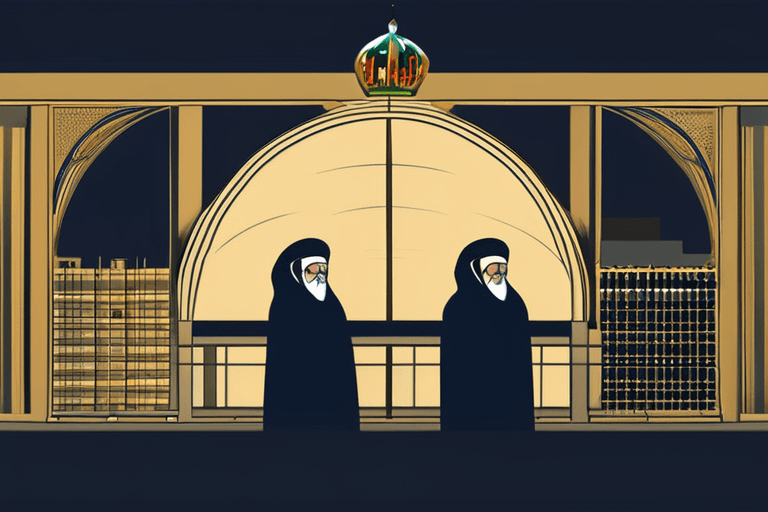
Iran's leadership is facing its most significant challenge since the 1979 revolution, according to Lyse Doucet, the BBC's chief international correspondent. The government has responded with a severe security crackdown and a near-total internet shutdown, measures that are unprecedented in their scale compared to previous periods of unrest.
The streets of Tehran, once filled with protesters, are reportedly becoming quieter. A resident of Tehran told BBC Persian that Friday saw large crowds and significant shooting, but Saturday night was much calmer. An Iranian journalist stated that going out now would be a "death wish."
This internal turmoil is occurring against a backdrop of heightened external tensions. President Trump has repeatedly warned of potential military action. These warnings came after the U.S. conducted strikes on key nuclear facilities during a 12-day war between Iran and Israel seven months ago, an event that weakened the Iranian regime. However, according to Trump, this situation has also provided Iran with leverage. Trump stated that Tehran has called to go back.
The current unrest reflects deep-seated grievances within Iranian society, including economic hardship, lack of social freedoms, and political repression. The government's response, characterized by force and censorship, has further fueled public anger. The internet shutdown has severely limited the ability of Iranians to communicate with each other and the outside world, raising concerns about human rights and freedom of information.
The situation remains fluid, and the long-term consequences of the current crisis are uncertain. The government's ability to suppress dissent and maintain control will be a key factor in determining the outcome. The international community is closely watching the situation, with many countries calling for restraint and respect for human rights.










Discussion
Join the conversation
Be the first to comment