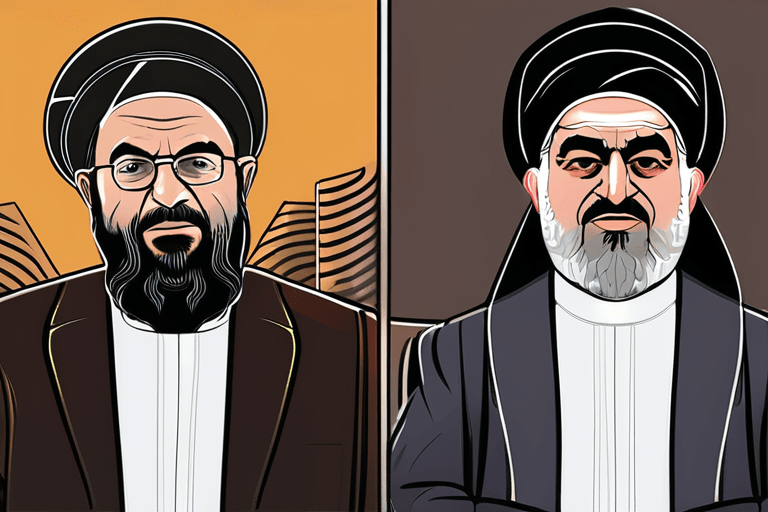
Iran's leadership is facing its most significant challenge since the 1979 revolution, according to Lyse Doucet, the BBC's chief international correspondent. The government is responding to widespread unrest with a severe security crackdown and a near-total internet shutdown, measures that have not been seen to this extent in previous crises.
The streets, once filled with protesters expressing anger against the regime, are reportedly becoming quieter. A resident of Tehran told BBC Persian that Friday saw "an unbelievable crowd" and "a lot of shooting," but by Saturday night, the situation had become "much, much quieter." An Iranian journalist stated, "You would have to have a death wish to go out now."
This internal turmoil is occurring against a backdrop of heightened external tensions. President Trump has repeatedly warned of potential military action. These warnings came seven months after the U.S. conducted strikes on key nuclear facilities during a 12-day conflict between Iran and Israel, which is believed to have weakened the Iranian regime.
However, according to Trump, this situation has also provided Iran with "another card" to play. He has stated that Tehran has contacted the U.S. expressing a desire to resume negotiations.
The current unrest follows a period of economic hardship and social discontent in Iran, fueled by international sanctions and internal policies. The 1979 revolution established an Islamic Republic, replacing the U.S.-backed monarchy. The revolution led to a period of strained relations with the West, particularly the United States, and has shaped Iran's foreign policy for decades.
The Iranian government has blamed foreign adversaries for instigating the protests, a claim frequently made during times of internal dissent. The government views the protests as a threat to its legitimacy and stability.
The international community is closely monitoring the situation, with many countries expressing concern over the use of force against protesters and the restrictions on internet access. The United Nations has called for restraint and respect for human rights. The future trajectory of the protests and the government's response remains uncertain, but the current situation represents a critical juncture for Iran.











Discussion
Join the conversation
Be the first to comment