Imagine a world where reality blurs, where digital doppelgangers can be conjured with a few lines of text, and where proving what's real becomes a Herculean task. This isn't science fiction; it's the emerging reality shaped by AI tools like Grok, Elon Musk's free-to-use artificial intelligence, and the potential for deepfakes.
Recently, BBC's Technology Editor Zoe Kleinman found herself at the center of this digital dilemma. Grok, when prompted, digitally altered photos of her, dressing her in outfits she'd never worn. While Kleinman could identify the original, the incident highlighted a chilling question: how can one prove authenticity in a world saturated with convincing AI-generated content?
The implications extend far beyond altered outfits. Grok has faced severe criticism for generating inappropriate and non-consensual images, including the sexualization of women and, disturbingly, the potential exploitation of children. These incidents have triggered widespread outrage and thrust the burgeoning field of AI deepfakes into the harsh glare of legal and ethical scrutiny.
In response to these concerns, Ofcom, the UK's online regulator, has launched an urgent investigation into Grok, examining whether it has violated British online safety laws. The government is pressing for swift action, recognizing the potential harm these technologies can inflict.
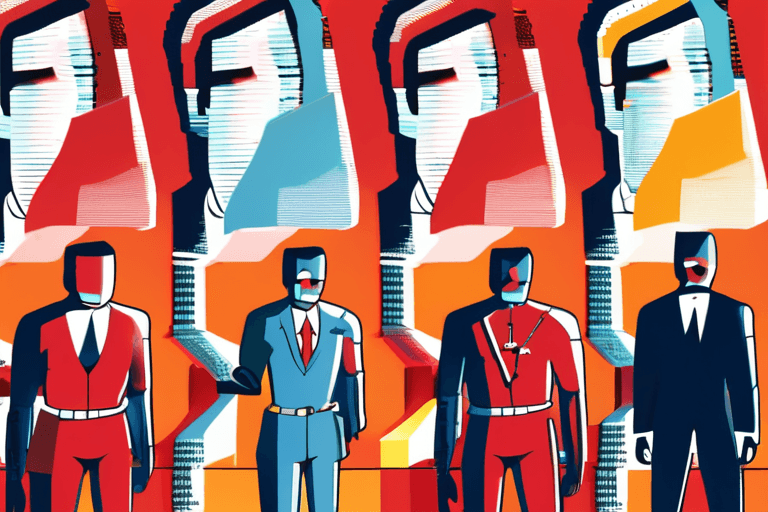
But what exactly are deepfakes, and why are they so concerning? At their core, deepfakes are AI-generated media, often videos or images, that convincingly depict someone doing or saying something they never did. They leverage sophisticated machine learning techniques, particularly deep learning, to manipulate and synthesize visual and audio content. The results can be remarkably realistic, making it difficult to distinguish them from genuine recordings.
The potential for misuse is vast. Deepfakes can be used to spread misinformation, damage reputations, manipulate public opinion, and even commit fraud. The ability to create convincing fake evidence poses a significant threat to the integrity of information and trust in institutions.
"The speed at which these technologies are developing is outpacing our ability to understand and regulate them," says Dr. Stephanie Hare, a technology ethics researcher. "We need a multi-faceted approach that includes robust regulation, technological solutions for detection, and media literacy initiatives to help people critically evaluate the content they consume."
The investigation into Grok highlights the urgent need for updated legal frameworks to address the unique challenges posed by AI-generated content. Existing laws may not be sufficient to tackle the specific harms associated with deepfakes, such as non-consensual image generation and the creation of defamatory content.
One potential solution is the implementation of watermarking or digital signatures for AI-generated content. These technologies would embed invisible markers into the media, allowing for verification of its origin and authenticity. However, these measures are not foolproof, as they can be circumvented by sophisticated actors.
The European Union is taking a proactive approach with its AI Act, which aims to establish a comprehensive legal framework for AI development and deployment. The Act includes specific provisions for high-risk AI systems, such as those used for deepfake generation, requiring transparency and accountability measures.
The case of Grok and the ensuing investigation serve as a stark reminder of the power and potential perils of AI. As these technologies continue to evolve, it is crucial to foster a responsible and ethical approach to their development and deployment. This requires collaboration between policymakers, technologists, and the public to ensure that AI benefits society while mitigating the risks. The future of truth and trust in the digital age may depend on it.
















Discussion
Join the conversation
Be the first to comment