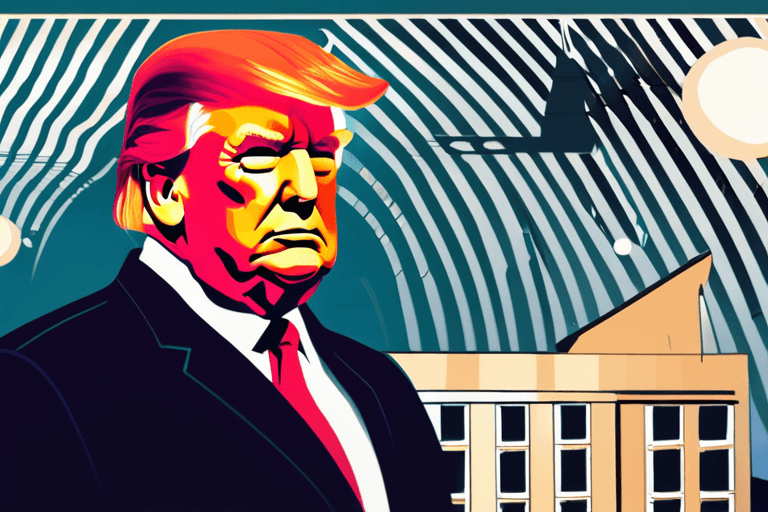
U.S. President Donald Trump warned of a potential "complete mess" if the Supreme Court rules against his administration's tariffs, signaling his concern over the impending legal decision. In a post on Truth Social on Monday, Trump highlighted the high stakes of the ruling, which could be delivered as early as Wednesday, and the difficulties that could arise if businesses were able to claim refunds.
Trump stated that determining the amount owed and identifying who, when, and where to make payments would take "many years." His remarks underscore the ongoing legal battle surrounding his trade strategy, which has faced challenges from small businesses and a group of U.S. states. These challengers argue that Trump exceeded his authority in imposing the tariffs, which were initially announced last April.
The core of the legal challenge revolves around the separation of powers and the extent of presidential authority in trade matters. Legal experts explain that the Supreme Court's decision could significantly impact the balance between the executive and legislative branches in setting trade policy. A ruling against the tariffs could set a precedent limiting the president's ability to unilaterally impose such measures.
The tariffs in question cover a wide range of goods and have been a key component of Trump's "America First" trade policy. Supporters of the tariffs argue they are necessary to protect domestic industries and address unfair trade practices by other countries. However, critics contend that the tariffs have increased costs for consumers and businesses, disrupted supply chains, and harmed international relations.
The Supreme Court's decision will have far-reaching implications for the U.S. economy and international trade relations. If the court upholds the tariffs, it would affirm the president's broad authority in trade matters. Conversely, a ruling against the tariffs could lead to a complex and lengthy process of refunding businesses and potentially require congressional action to address trade imbalances. The case is closely watched by businesses, policymakers, and legal scholars alike, as it could reshape the landscape of U.S. trade policy for years to come.
















Discussion
Join the conversation
Be the first to comment