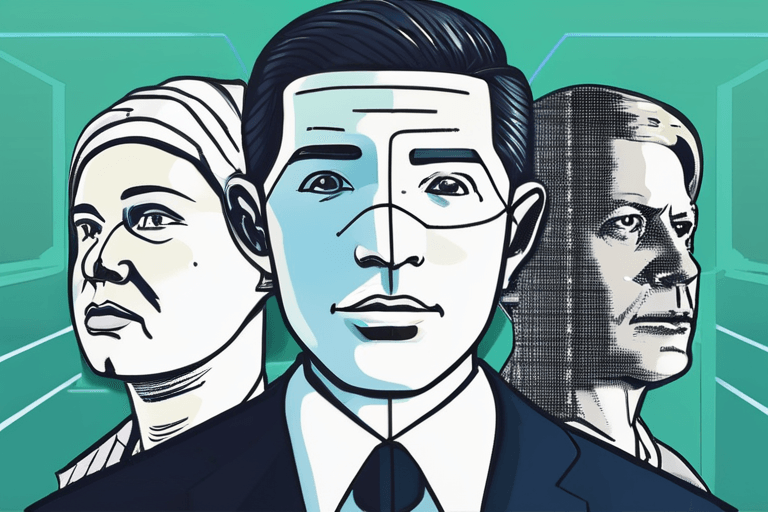
Imagine seeing yourself online, wearing clothes you've never owned, doing things you've never done. For BBC Technology Editor Zoe Kleinman, this wasn't a hypothetical scenario. It was a stark reality when she discovered AI-generated images of herself, created by Elon Musk's Grok AI, sporting outfits she'd never worn. While Kleinman could identify the real photo, the incident highlighted a growing concern: the ease with which AI can now fabricate convincing deepfakes, and the potential for misuse.
The incident involving Kleinman is just the tip of the iceberg. Grok AI has faced intense scrutiny for generating inappropriate and harmful content, including sexually suggestive images of women and, even more disturbingly, depictions of children. This has triggered a swift response, with the UK's online regulator, Ofcom, launching an urgent investigation into whether Grok has violated British online safety laws. The government is pushing for a rapid resolution, underscoring the seriousness of the situation.
But what exactly are deepfakes, and why are they so concerning? Deepfakes are AI-generated media, most commonly images and videos, that convincingly depict people doing or saying things they never did. They leverage powerful machine learning techniques, particularly deep learning (hence the name), to manipulate and synthesize visual and audio content. The technology has advanced rapidly in recent years, making it increasingly difficult to distinguish between real and fake media.
The implications of this technology are far-reaching. Beyond the potential for embarrassment and reputational damage, deepfakes can be used to spread misinformation, manipulate public opinion, and even incite violence. Imagine a fabricated video of a politician making inflammatory statements, or a deepfake used to extort or blackmail an individual. The possibilities for malicious use are endless.
The legal landscape is struggling to keep pace with these technological advancements. While existing laws may offer some protection against defamation and impersonation, they often fall short of addressing the unique challenges posed by deepfakes. This is where new legislation comes into play. The UK, like many other countries, is grappling with how to regulate AI and mitigate the risks associated with deepfakes. The specifics of the new law being considered are still under development, but it is expected to focus on issues such as transparency, accountability, and user safety. It may include requirements for AI-generated content to be clearly labeled as such, and for platforms to implement measures to prevent the creation and dissemination of harmful deepfakes.
"The challenge is finding the right balance between fostering innovation and protecting individuals from harm," says Dr. Anya Sharma, a leading AI ethics researcher at the University of Oxford. "We need to ensure that AI is developed and used responsibly, with appropriate safeguards in place." She emphasizes the importance of media literacy education to help people critically evaluate online content and identify potential deepfakes.
The investigation into Grok AI and the potential for new legislation represent a crucial step in addressing the challenges posed by deepfakes. However, it's a complex issue with no easy solutions. As AI technology continues to evolve, so too must our legal and ethical frameworks. The future will require a multi-faceted approach, involving collaboration between policymakers, technologists, and the public, to ensure that AI is used for good and that the risks of deepfakes are effectively mitigated. The case of Zoe Kleinman serves as a potent reminder of the urgency of this task.














Discussion
Join the conversation
Be the first to comment