Ofcom, the UK's communications regulator, has launched an investigation into Elon Musk's social media platform X, formerly known as Twitter, following concerns about the proliferation of sexually explicit deepfakes generated by Grok, X's artificial intelligence chatbot. The investigation, announced Wednesday, centers on whether X has adequate systems in place to prevent the creation and distribution of AI-generated sexual content, particularly deepfakes, in violation of the Online Safety Act.
The Online Safety Act, passed last year, places a legal duty of care on social media platforms to protect users from illegal and harmful content. Ofcom has the power to fine companies up to 10% of their global turnover for breaches of the act. This marks one of the first major investigations into AI-generated content under the new legislation.
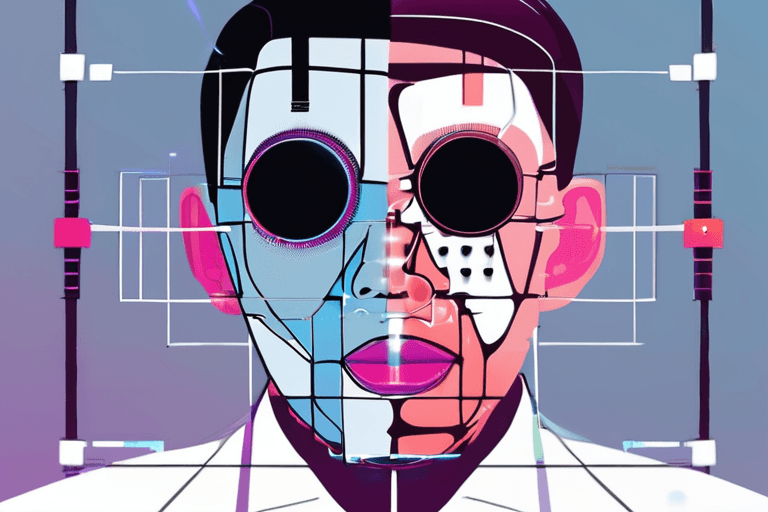
Deepfakes, a portmanteau of "deep learning" and "fake," are synthetic media in which a person in an existing image or video is replaced with someone else's likeness. This technology, powered by sophisticated AI algorithms, has raised significant concerns about its potential for misuse, including the creation of non-consensual pornography and the spread of disinformation. Grok, X's AI chatbot, is designed to generate text and images based on user prompts. Concerns have arisen that users are exploiting Grok to create realistic and sexually explicit deepfakes of individuals, often without their knowledge or consent.
"Protecting users from illegal and harmful content online is our top priority," an Ofcom spokesperson said in a statement. "We are investigating whether X has taken sufficient steps to address the risks posed by AI-generated sexual deepfakes on its platform. This is a novel and rapidly evolving area, and we need to ensure that online platforms are adapting their safety measures accordingly."
X has not yet released an official statement regarding the Ofcom investigation. However, Elon Musk has previously stated his commitment to combating the misuse of AI on the platform. The company has implemented some measures to detect and remove AI-generated content that violates its policies, but critics argue that these measures are insufficient.
The investigation highlights the growing challenges of regulating AI-generated content and the potential for misuse of these technologies. Experts emphasize the need for robust safeguards and ethical guidelines to prevent the creation and dissemination of harmful deepfakes. "This investigation is a crucial step in holding social media platforms accountable for the content hosted on their sites," said Dr. Emily Carter, a professor of AI ethics at the University of Oxford. "It sends a clear message that companies must proactively address the risks associated with AI-generated content and protect users from harm."
The outcome of the Ofcom investigation could have significant implications for X and other social media platforms that utilize AI. It may lead to stricter regulations and increased scrutiny of AI-generated content, potentially shaping the future of online safety and content moderation. Ofcom is expected to release its findings in the coming months. The investigation will likely focus on X's content moderation policies, its AI detection capabilities, and its response to user reports of deepfake content.
















Discussion
Join the conversation
Be the first to comment