Venezuelas advanced, Russian-made air defense systems failed to engage during a recent U.S. attack on La Carlota air base in Caracas, according to American officials. The incident, which occurred on January 12, 2026, involved U.S. helicopters targeting President Nicolás Maduro, exposing significant vulnerabilities in Venezuela's air defense capabilities.
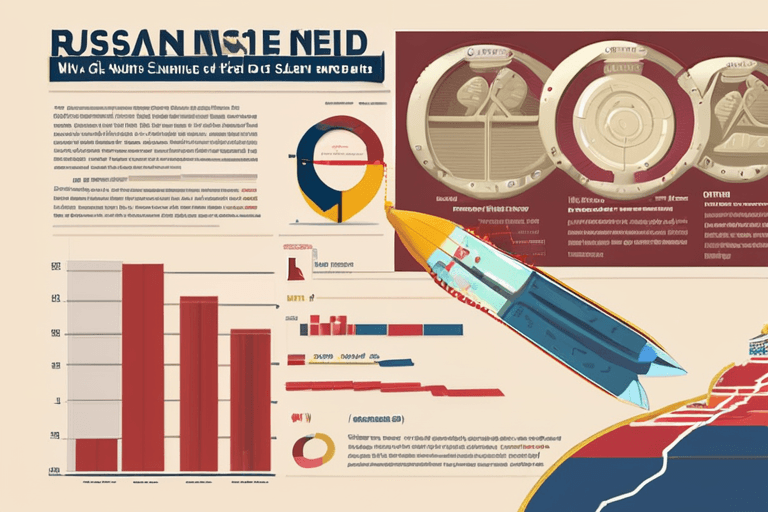
The S-300 and Buk-M2 systems, acquired from Russia starting in 2009 under the late President Hugo Chávez, were intended to deter potential American aggression and symbolize the strong alliance between Venezuela and Russia. However, these systems were reportedly not even connected to radar at the time of the U.S. incursion, rendering Venezuelan airspace surprisingly unprotected, officials stated. A destroyed Buk launcher at the airbase was documented by The New York Times.
The failure of these systems raises questions about Venezuela's ability to maintain and operate sophisticated military equipment. The S-300, in particular, is considered one of the world's most advanced antiaircraft systems. The U.S. attack highlights the potential risks for nations relying on complex AI-driven defense technologies without adequate technical expertise and resources for upkeep.
The incident also underscores the evolving nature of modern warfare, where AI plays an increasingly critical role. AI-powered systems are used for threat detection, target identification, and autonomous decision-making in defense operations. However, the Venezuelan case suggests that the effectiveness of these systems depends not only on their technological sophistication but also on the human element, including training, maintenance, and strategic deployment.
"Venezuela was unable to maintain and operate the S-300," the New York Times reported, citing unnamed sources familiar with the situation. This lack of operational readiness raises concerns about the overall state of Venezuela's military preparedness and its ability to respond to external threats.
The U.S. attack and the subsequent failure of Venezuela's air defenses could have broader implications for the geopolitical landscape in Latin America. The incident may embolden other regional actors and further destabilize the region, potentially leading to increased military spending and a renewed arms race.
The Pentagon has not officially commented on the operation, but officials speaking on condition of anonymity confirmed the details of the attack and the ineffectiveness of Venezuela's air defense systems. The situation remains fluid, and further developments are expected as both Venezuela and Russia assess the damage and consider their next steps.















Discussion
Join the conversation
Be the first to comment