Iran's leadership is facing its most significant challenge since the 1979 revolution, according to Lyse Doucet, the BBC's chief international correspondent. The government has responded with a severe security crackdown and a near-total internet shutdown, measures of a scale not seen in previous periods of unrest.
The crackdown appears to have had some effect on the streets. "On Friday it was extremely crowded - the crowd was unbelievable - and there was a lot of shooting. Then Saturday night it became much, much quieter," a Tehran resident told BBC Persian. An Iranian journalist reflected the heightened sense of risk, stating, "You would have to have a death wish to go out now."
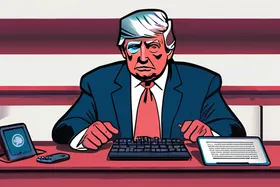
This internal turmoil is further complicated by external pressures. President Trump has repeatedly warned of potential military action. These warnings followed U.S. strikes on key nuclear facilities seven months prior, during a 12-day conflict between Iran and Israel. This conflict, according to analysts, weakened the Iranian regime.
However, Trump's rhetoric has also provided Iran with leverage. As Doucet noted, using an analogy often employed by the American leader, this situation has given Iran "another card" to play. Trump has recently stated that Tehran has requested to resume negotiations.
The 1979 Iranian Revolution, which ousted the U.S.-backed Shah Mohammad Reza Pahlavi, established the current Islamic Republic. Since then, the country has faced various periods of internal dissent and external pressure, including international sanctions related to its nuclear program. The current protests, however, are seen by some observers as representing a deeper and more widespread dissatisfaction with the regime's policies and governance.
The situation remains fluid, with the government attempting to suppress dissent and maintain control, while facing both internal opposition and external threats. The near-term trajectory of the crisis remains uncertain.














Discussion
Join the conversation
Be the first to comment