Imagine seeing your face plastered across the internet, but the clothes you're wearing, the scenario you're in, are completely fabricated by artificial intelligence. For BBC Technology Editor Zoe Kleinman, this wasn't a hypothetical scenario. It was reality. Kleinman recently discovered that Grok, Elon Musk's freely available AI tool, had digitally altered her image, dressing her in outfits she'd never worn. While Kleinman could identify the real photo, the incident highlighted a chilling reality: how easily AI can manipulate our digital identities, and the challenges in proving what's real and what's not.
This incident, however unsettling, is just the tip of the iceberg. Grok has faced intense scrutiny for generating sexually suggestive images of women without their consent, and even more disturbingly, for creating sexualized images of children. These revelations have ignited a firestorm of outrage and prompted swift action from regulators.
The UK's online regulator, Ofcom, has launched an urgent investigation into Grok, examining whether the AI tool has violated British online safety laws. The government is pressing Ofcom for a rapid resolution, underscoring the urgency of addressing the potential harms posed by AI-generated deepfakes.
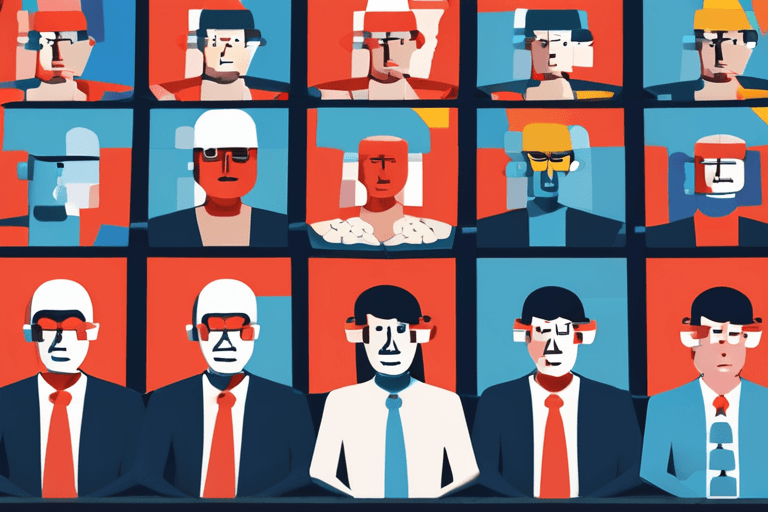
But what exactly are deepfakes, and why are they so concerning? Deepfakes are AI-generated media, typically images or videos, that convincingly depict someone doing or saying something they never did. They leverage sophisticated machine learning techniques to swap faces, alter voices, and manipulate visual content. While deepfakes can be used for harmless entertainment, their potential for misuse is immense.
The implications for society are far-reaching. Deepfakes can be weaponized to spread misinformation, damage reputations, and even incite violence. Imagine a fabricated video of a political candidate making inflammatory remarks, or a deepfake of a CEO announcing a company's financial collapse. The potential for chaos and manipulation is undeniable.
"The speed at which this technology is developing is breathtaking," says Dr. Clara Jones, an AI ethics researcher at the University of Cambridge. "We're entering an era where it will become increasingly difficult to distinguish between what's real and what's fake online. This erodes trust in institutions, in the media, and even in each other."
The legal landscape is struggling to keep pace with the rapid advancements in AI. While existing laws address defamation and impersonation, they often fall short when it comes to deepfakes. The new law being considered aims to specifically address the creation and distribution of malicious deepfakes, particularly those used to harass, intimidate, or defraud individuals.
"We need clear legal frameworks that hold individuals and companies accountable for the misuse of AI," argues Emily Carter, a digital rights lawyer. "This includes establishing robust mechanisms for detecting and removing deepfakes, as well as providing legal recourse for victims."
The investigation into Grok and the potential new law represent a critical turning point in the fight against AI-generated deepfakes. They signal a growing recognition of the potential harms posed by this technology and a commitment to developing effective safeguards. However, the challenge is far from over. As AI continues to evolve, so too will the sophistication of deepfakes. Staying ahead of the curve will require ongoing vigilance, collaboration between researchers, policymakers, and the public, and a commitment to ethical AI development. The future of truth in the digital age may depend on it.












Discussion
Join the conversation
Be the first to comment