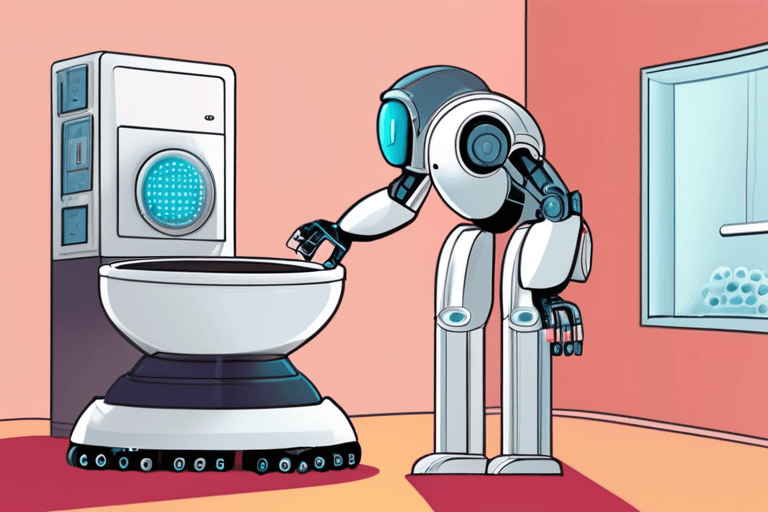
This year marks a potential turning point for domestic robotics, as the first multi-purpose robots designed to handle a variety of household chores are slated to enter homes. Fueled by advancements in artificial intelligence, these robots, like Eggie, NEO, Isaac, and Memo, are being developed to perform tasks ranging from folding laundry to loading dishwashers.
The development of these robots represents a significant leap forward, driven by progress in AI. These robots are now agile, sensitive, and dextrous enough to carry out many important chores. At Tangible AI, Eggie the robot demonstrated the ability to hang up a jacket, strip a bed, and clean up spills.
The concept of a robot butler has been a long-held aspiration, but recent advancements in AI are making it a reality. Developers in Silicon Valley are rapidly training robots to perform complex household tasks.
While the prospect of a robot housekeeper is exciting, it also raises questions about the future of work and the role of humans in the home. The increasing capabilities of AI-powered robots could potentially displace human workers in some sectors.
NEO, a domestic robot, is scheduled to launch to customers this year. This launch represents a key step in bringing multi-purpose domestic robots into the mainstream.
The development of domestic robots is still in its early stages, and challenges remain. However, the progress made in recent years suggests that robots may soon become a common sight in homes.















Discussion
Join the conversation
Be the first to comment