Trump stated that calculating the amount owed and identifying who, when, and where to make payments would "take many years." The tariffs, first announced last April, are being challenged by small businesses and a group of U.S. states who argue that the president exceeded his authority in imposing the levies on goods entering the country.
The legal challenge centers on whether Trump overstepped his authority in imposing the tariffs. Challengers contend that the Constitution grants Congress, not the president, the power to regulate commerce and impose taxes. The Trump administration has maintained that the tariffs were enacted under presidential powers related to national security and trade negotiations.
If the Supreme Court rules against the administration, businesses could seek refunds for tariffs paid, potentially costing the government billions of dollars. Trump's social media post underscores the high stakes of the ruling and the potential economic ramifications. He wrote that if the Supreme Court does not uphold his tariffs: "WE'RE SCREWED".
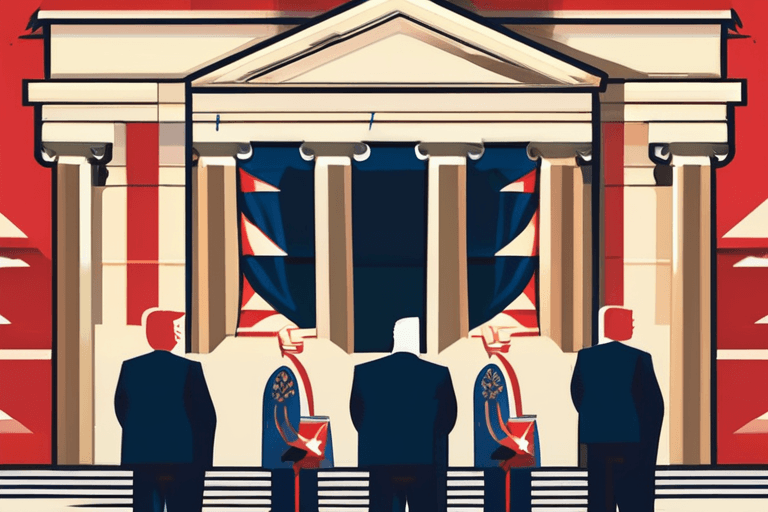
The Supreme Court's decision will have broad implications for trade policy and the balance of power between the executive and legislative branches. Legal experts are closely watching the case, as it could set a precedent for future trade actions and presidential authority. The ruling is expected to be released in the coming days.














Discussion
Join the conversation
Be the first to comment