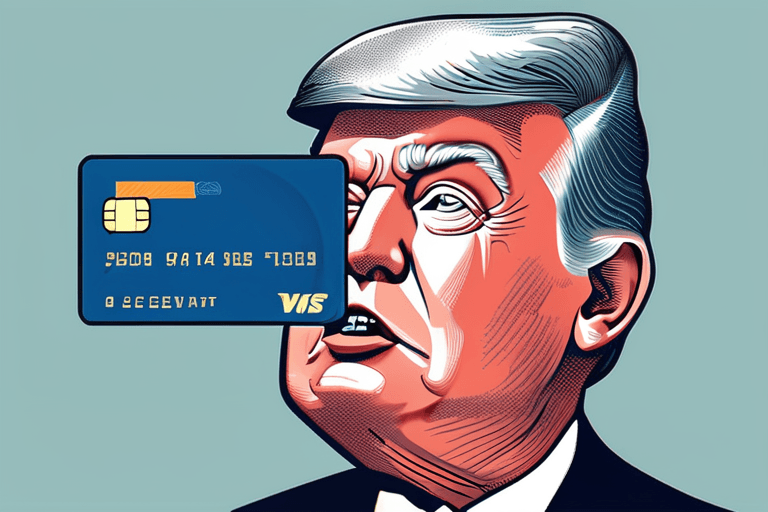
United States President Donald Trump intends to cap credit card interest rates at 10 percent for one year, beginning January 20, his inauguration date. Trump initially proposed the cap during his campaign and reiterated the idea on Truth Social, stating that Americans were being exploited by interest rates as high as 30 percent.
Trump addressed reporters on Air Force One on Sunday, stating, "We're putting a one-year cap at 10 percent. And that's it. They know it," signaling his intent to move forward with the policy.
The proposal aims to address concerns about high interest rates charged by credit card companies. The average credit card interest rate currently hovers around 20 percent, according to recent data from Bankrate, placing a significant financial burden on consumers, particularly those with lower incomes or unexpected expenses.
While the concept of capping interest rates has garnered bipartisan support, the feasibility and potential consequences of such a measure are subjects of debate among economists and financial experts. Proponents argue that a cap would protect consumers from predatory lending practices and provide much-needed relief. Critics, however, warn that it could lead to unintended consequences, such as reduced credit availability, particularly for higher-risk borrowers. Credit card companies might respond by tightening lending standards, increasing fees, or reducing rewards programs.
The potential impact on the broader economy is also a concern. Credit card spending is a significant driver of consumer spending, which accounts for a substantial portion of the U.S. gross domestic product (GDP). A cap on interest rates could potentially dampen consumer spending if credit becomes less accessible.
Implementing a nationwide interest rate cap would likely require Congressional action, which could face significant hurdles given the divided political landscape. Legal challenges from the credit card industry are also anticipated, arguing that such a cap infringes on contractual rights and could destabilize the financial system.
The Consumer Financial Protection Bureau (CFPB), the regulatory agency responsible for overseeing financial institutions, has not yet issued a statement on Trump's proposal. The CFPB's stance could significantly influence the debate and the likelihood of the cap being implemented.
The credit card industry has yet to formally respond to Trump's announcement. Industry analysts suggest that companies are likely to lobby against the cap, arguing that it would harm their business models and ultimately hurt consumers.
The next steps involve Trump's administration drafting legislation and seeking Congressional support for the proposed interest rate cap. The debate surrounding the proposal is expected to intensify in the coming months as stakeholders weigh the potential benefits and drawbacks.















Discussion
Join the conversation
Be the first to comment