Large language model (LLM) API costs can be significantly reduced by implementing semantic caching, according to Sreenivasa Reddy Hulebeedu Reddy, who found that his company's LLM API bill was growing 30% month-over-month. Reddy discovered that users were asking the same questions in different ways, leading to redundant calls to the LLM and inflated costs.
Reddy's analysis of query logs revealed that users frequently rephrased the same questions. For example, queries like "What's your return policy?", "How do I return something?", and "Can I get a refund?" all elicited nearly identical responses from the LLM, but each incurred separate API costs.
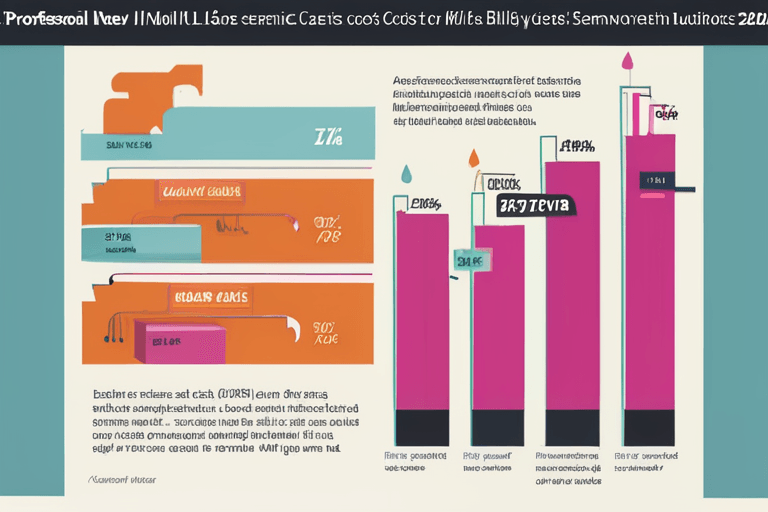
Traditional, exact-match caching, which uses the query text as the cache key, proved ineffective in addressing this issue. "Exact-match caching captured only 18% of these redundant calls," Reddy stated. "The same semantic question, phrased differently, bypassed the cache entirely."
To overcome this limitation, Reddy implemented semantic caching, which focuses on the meaning of the queries rather than their exact wording. This approach increased the cache hit rate to 67%, resulting in a 73% reduction in LLM API costs. Semantic caching identifies queries with similar meanings and retrieves the corresponding response from the cache, avoiding unnecessary calls to the LLM.
The development highlights a growing concern among organizations utilizing LLMs: managing the escalating costs associated with API usage. As LLMs become more integrated into various applications, optimizing their efficiency and reducing expenses becomes crucial. Semantic caching represents one such optimization strategy.
While semantic caching offers significant benefits, implementing it effectively requires careful consideration. Naive implementations can miss subtle nuances in user queries, leading to inaccurate cache hits and potentially incorrect responses.
The rise of LLMs has spurred innovation in caching techniques, moving beyond simple text-based matching to more sophisticated methods that understand the underlying meaning of user input. This shift reflects a broader trend in AI development, where algorithms are becoming increasingly adept at understanding and interpreting human language. The development of semantic caching is part of a larger trend of optimizing AI infrastructure to make it more efficient and cost-effective. As LLMs continue to evolve and become more widely adopted, techniques like semantic caching will play an increasingly important role in managing their associated costs.














Discussion
Join the conversation
Be the first to comment