Microsoft pledged to cover the full electricity costs of its data centers, a move praised by President Trump and intended to alleviate concerns about rising energy bills for residential consumers. Brad Smith, Microsoft's president, announced the initiative in a blog post preceding a speech on artificial intelligence, stating the company would request utilities and public commissions to set rates for its data centers high enough to cover their electricity consumption. This commitment comes as data centers, which are crucial for AI development and cloud computing, face increasing scrutiny for their energy demands and potential impact on local electricity prices.
The issue of data center electricity consumption became a contentious topic during recent elections, highlighting the growing public awareness of the energy footprint associated with digital infrastructure. While Microsoft and other tech companies have expressed a desire to pay their "fair share" for electricity, determining an equitable rate structure has proven complex, leading to disputes in several states. President Trump acknowledged Microsoft's pledge in a social media post, stating he expects other technology companies to follow suit to prevent increased electricity bills for American households. "I never want Americans to pay higher Electricity bills because of Data Centers," Trump wrote.
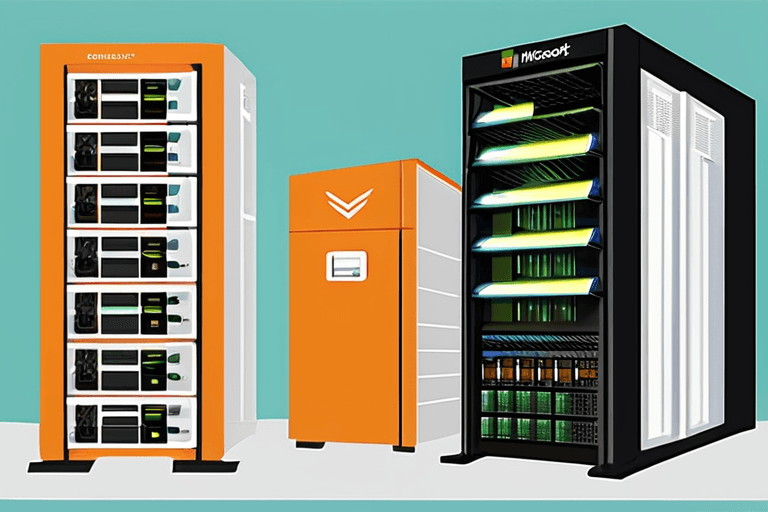
Data centers are essential for powering AI applications, cloud services, and other digital technologies that are increasingly integrated into daily life. These facilities house vast arrays of servers that require significant amounts of electricity for operation and cooling. The rise of AI, with its computationally intensive algorithms, has further amplified the energy demands of data centers. The challenge lies in balancing the benefits of AI and cloud computing with the need for sustainable energy practices and affordable electricity for consumers.
The concept of "fair share" pricing for data center electricity involves complex calculations that consider factors such as the cost of electricity generation, transmission, and distribution, as well as the impact of data center demand on the overall grid. Some argue that data centers should pay a premium to offset the costs of infrastructure upgrades needed to support their energy needs. Others suggest that data centers should invest in renewable energy sources to reduce their carbon footprint and minimize their impact on the grid.
Microsoft's commitment represents a step toward addressing these concerns and establishing a more sustainable model for data center operations. The company's willingness to pay higher rates for electricity could incentivize utilities to invest in renewable energy sources and grid modernization, ultimately benefiting both data centers and residential consumers. The specific mechanisms for implementing this pledge and the resulting impact on electricity rates remain to be seen, but the move signals a growing recognition of the need for greater transparency and accountability in the energy consumption of digital infrastructure.













Discussion
Join the conversation
Be the first to comment