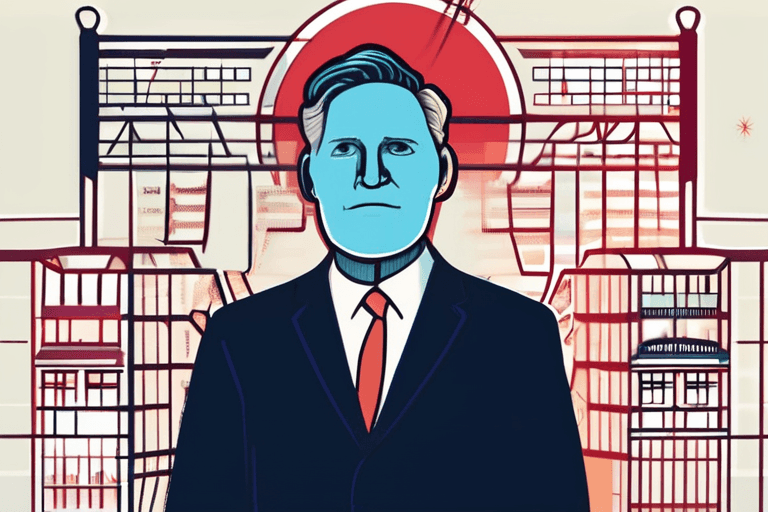
Keir Starmer stated that X, formerly known as Twitter, could "lose the right to self-regulate" under a future Labour government. Starmer made the comments during a speech on technology policy, emphasizing concerns about the platform's handling of harmful content and misinformation.
Starmer argued that self-regulation had not been effective in addressing the proliferation of hate speech and disinformation on X. He pointed to recent changes in content moderation policies and the reinstatement of previously banned accounts as evidence of a weakening commitment to platform safety. "The current approach simply isn't working," Starmer said. "We need stronger regulation to protect users, particularly children, from online harms."
The Labour leader outlined plans to introduce stricter regulations for social media companies if his party wins the next general election. These regulations could include measures such as mandatory codes of conduct, independent audits of content moderation practices, and significant fines for non-compliance. The specific details of the proposed regulations are still under development, but Starmer indicated that they would be aligned with the principles of the Online Safety Act, which aims to hold social media companies accountable for the content hosted on their platforms.
The Online Safety Act, passed last year, grants Ofcom, the UK's communications regulator, the power to fine companies that fail to remove illegal content and protect users from harm. Starmer's comments suggest that a Labour government would seek to strengthen Ofcom's powers and expand its remit to include a wider range of harmful content, such as misinformation and disinformation.
X's current content moderation policies have come under increased scrutiny since Elon Musk acquired the company in 2022. Musk has advocated for a more permissive approach to free speech, leading to concerns about the potential for the platform to become a haven for hate speech and disinformation. The company has also faced criticism for laying off a significant portion of its content moderation team, raising questions about its ability to effectively enforce its policies.
In response to Starmer's comments, X issued a statement defending its commitment to platform safety. The company stated that it has invested heavily in technology and human resources to combat harmful content and that it is constantly working to improve its policies and enforcement mechanisms. "We are committed to providing a safe and secure platform for all users," the statement said. "We work closely with regulators and law enforcement agencies to address illegal content and protect users from harm."
Industry analysts suggest that stricter regulations could have a significant impact on X's business model. The company relies heavily on advertising revenue, and advertisers may be hesitant to associate their brands with a platform that is perceived as being unsafe or unreliable. Stricter regulations could also increase X's compliance costs, potentially impacting its profitability.
The debate over the regulation of social media platforms is likely to continue in the run-up to the next general election. The Labour party is expected to make online safety a key plank of its campaign platform, while the Conservative government is likely to defend its record on the Online Safety Act. The outcome of the election could have a significant impact on the future of social media regulation in the UK.














Discussion
Join the conversation
Be the first to comment