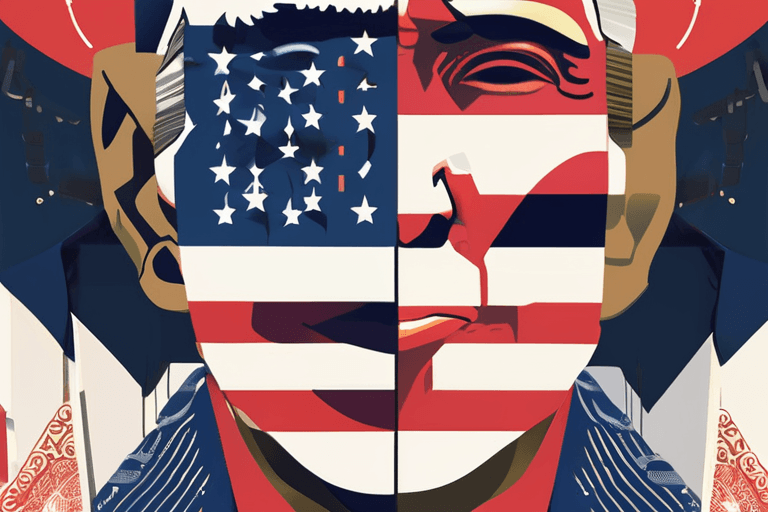
President Trump's threat to impose a 25% tariff on countries trading with Iran sent ripples through global markets, raising concerns about further destabilizing the already fragile Iranian economy and disrupting international trade flows. The announcement, made amidst escalating protests in Iran fueled by economic hardship, adds another layer of complexity to the country's financial woes.
The proposed tariff could significantly impact Iran's export revenue, which heavily relies on oil sales. While specific figures fluctuate, Iran's oil exports have been a crucial source of foreign currency, even under existing sanctions. A 25% tariff would effectively raise the price of Iranian goods, making them less competitive and potentially driving down demand. This could further exacerbate the country's already high inflation and unemployment rates, and weaken the rial, which has already suffered significant losses in recent years.
The market impact extends beyond Iran. Countries like China, which have maintained trade relations with Iran, face the difficult choice of complying with the U.S. tariff or risking access to the American market. This creates a dilemma for businesses operating in these countries, forcing them to weigh the costs and benefits of maintaining ties with Iran against the potential repercussions of incurring U.S. tariffs. The uncertainty surrounding these trade relationships could also lead to increased volatility in global commodity markets, particularly oil.
Iran's economy, a member of OPEC, has been struggling for years under the weight of Western sanctions. The country's economic isolation has limited its access to international markets and investment, hindering its ability to diversify its economy and address its structural weaknesses. The current protests highlight the growing frustration among the Iranian population over the government's handling of the economy.
Looking ahead, the impact of the proposed tariff will depend on its implementation and enforcement. If strictly enforced, it could further isolate Iran and deepen its economic crisis. However, it could also incentivize Iran to seek alternative trading partners and accelerate its efforts to develop a more self-reliant economy. The situation remains fluid, and the long-term consequences will depend on the interplay of political and economic factors.












Discussion
Join the conversation
Be the first to comment