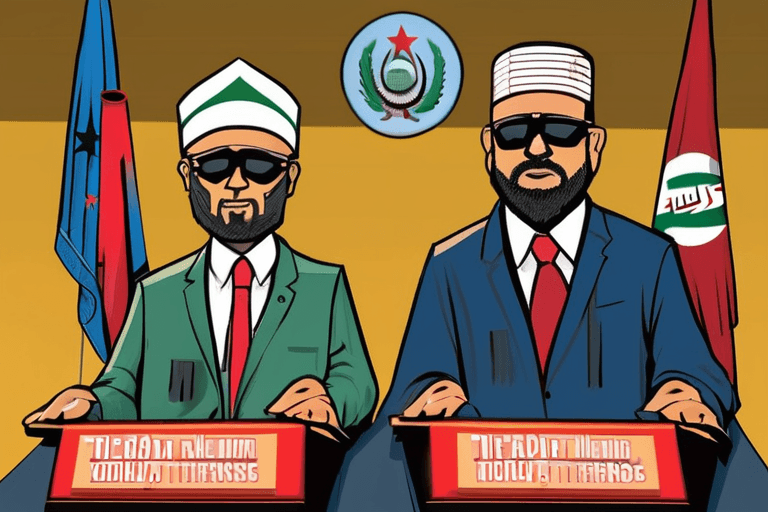
The United States designated Muslim Brotherhood organizations in Egypt, Lebanon, and Jordan as terrorist groups on Tuesday, according to The Associated Press. The decision follows an executive order issued weeks prior by President Donald Trump, directing his administration to begin the process of blacklisting the groups.
Secretary of State Marco Rubio stated that these designations represent the initial steps in a continuing effort to counter violence and destabilization by Muslim Brotherhood chapters globally. The specific branches targeted were not immediately disclosed.
The Muslim Brotherhood, founded in Egypt in 1928, is a transnational Sunni Islamist organization with a complex history. While some branches have engaged in political activities, others have been accused of violence and terrorism. The group's ideology advocates for the implementation of Islamic law and has inspired various Islamist movements worldwide.
The move to designate these groups as terrorist organizations has drawn mixed reactions. Supporters argue that it is a necessary step to combat extremism and protect national security. Critics, however, contend that the designation is overly broad, could stifle legitimate political dissent, and may further destabilize the region. They also argue that such designations can be used to suppress human rights and target political opponents.
The US government has long grappled with how to address the Muslim Brotherhood. Some administrations have engaged with certain branches while condemning others. This latest action signifies a more hardline approach, potentially impacting US relations with countries where the Muslim Brotherhood has a significant presence.
The implications of this designation are far-reaching. It allows the US government to impose sanctions on individuals and entities associated with the designated groups, potentially freezing assets and restricting travel. It could also affect humanitarian aid and diplomatic efforts in the region.
The decision comes amid heightened tensions in the Middle East and a broader US strategy to counter what it perceives as Iranian influence and support for terrorism. The blacklisting of these Muslim Brotherhood branches is likely to further complicate the already complex geopolitical landscape. The State Department is expected to release further details regarding the specific entities targeted and the rationale behind the designations in the coming days.














Discussion
Join the conversation
Be the first to comment