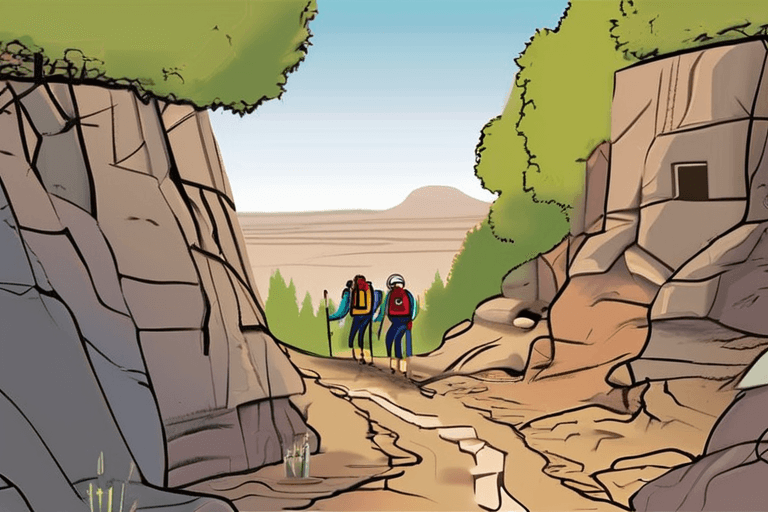
The hike to the sixth-century monastery, built into the mountains of central Syria, drew participants from across the country. Areej Miro, a 24-year-old artisan from Damascus, was among those who joined the expedition last spring. "It's important to see these places again, to remember our history," Miro said, reflecting on the significance of the journey after Syria's nearly 14-year civil war ended just over a year ago.
Syria's civil war, which erupted in 2011, resulted in a humanitarian crisis, displacing millions and causing widespread destruction to the country's cultural heritage. UNESCO has expressed concern over the damage inflicted on Syrian historical sites, some of which date back millennia, emphasizing the need for preservation and restoration efforts. The conflict, fueled by political grievances and sectarian tensions, drew in regional and international actors, further complicating the situation.
Deir Mar Musa, a Syriac Catholic monastery, has historically served as a symbol of religious tolerance and interfaith dialogue in the region. Before the war, it welcomed visitors from diverse backgrounds, promoting understanding between Christians and Muslims. The monastery's remote location offered a refuge from the violence that plagued other parts of the country during the conflict, though the surrounding area was at times affected by fighting.
The emergence of hiking groups like "Me the Syrian" reflects a growing desire among Syrians to rebuild their lives and communities. These initiatives provide opportunities for recreation, cultural exploration, and social connection, contributing to a sense of normalcy and healing in a country scarred by war. The rediscovery of Syria's natural and historical treasures is seen by many as an essential step in the process of national recovery and reconciliation.




















Discussion
Join the conversation
Be the first to comment