The political landscape shifted dramatically this week as news broke of a criminal investigation into Federal Reserve Chair Jerome H. Powell. The inquiry, initiated by the U.S. attorney in Washington, Jeanine Pirro, centers on a $2.5 billion renovation of the Fed's headquarters and allegations that Powell may have misled Congress regarding the project. The response has been swift and fierce, reverberating across Washington, Wall Street, and even internationally.
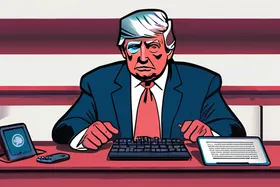
The investigation arrives at a particularly sensitive juncture. President Trump, emboldened by recent pronouncements about the limits of his power, is gearing up to nominate Powell's replacement, aiming to reshape the Federal Reserve board to align with his economic vision. The timing of the inquiry has fueled speculation about its potential impact on this process, raising concerns about the stability and independence of the central bank.
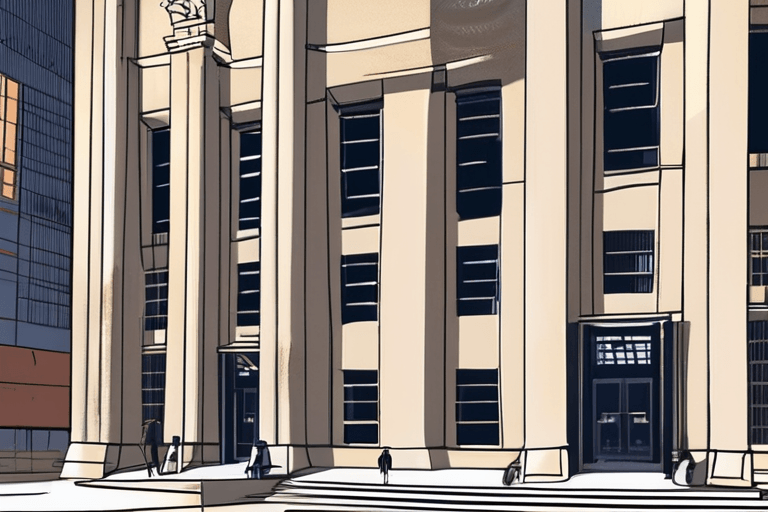
The core of the controversy lies in the massive renovation project undertaken at the Fed's headquarters. While such projects are not uncommon for institutions of this size and age, the scale of the expenditure has drawn scrutiny. The allegations that Powell may have misrepresented details of the project to Congress have added a layer of gravity to the situation, potentially exposing him to legal repercussions.
The backlash has been multifaceted. Republicans, typically supportive of fiscal conservatism, have voiced concerns about the optics of a criminal investigation into the Fed chair. International policymakers are watching closely, aware that any disruption to the Fed's leadership could have global economic consequences. Wall Street, already jittery about inflation and interest rate hikes, fears that the uncertainty surrounding Powell's future could further destabilize markets. Even some of Trump's allies have publicly questioned the wisdom of pursuing such an investigation, fearing it could backfire and undermine the president's economic agenda.
"The timing of this is deeply troubling," said one Republican strategist, speaking on condition of anonymity. "Whether the allegations have merit or not, the investigation creates an environment of instability that is harmful to the economy."
Adding to the complexity, the Powell inquiry has exposed rare divisions within the Trump administration. While some officials have remained silent, others have reportedly expressed reservations about the investigation, fearing it could be perceived as politically motivated. This internal discord underscores the high stakes involved and the potential for unintended consequences.
The investigation also raises fundamental questions about the independence of the Federal Reserve. The Fed is designed to operate independently of political influence, making decisions based on economic data and analysis, rather than partisan considerations. The criminal inquiry, regardless of its outcome, risks undermining this principle, potentially chilling future Fed chairs from acting decisively in the face of economic challenges.
Looking ahead, the investigation's trajectory remains uncertain. If the U.S. attorney's office finds sufficient evidence to pursue charges, Powell could face legal challenges that would significantly complicate the process of selecting his replacement. Even if the investigation ultimately clears Powell, the damage to his reputation and the Fed's credibility may already be done. The coming months will be critical in determining the long-term impact of this controversy on the Federal Reserve and the broader economy. The situation serves as a stark reminder of the delicate balance between accountability and the need to maintain the independence of key economic institutions.

















Discussion
Join the conversation
Be the first to comment