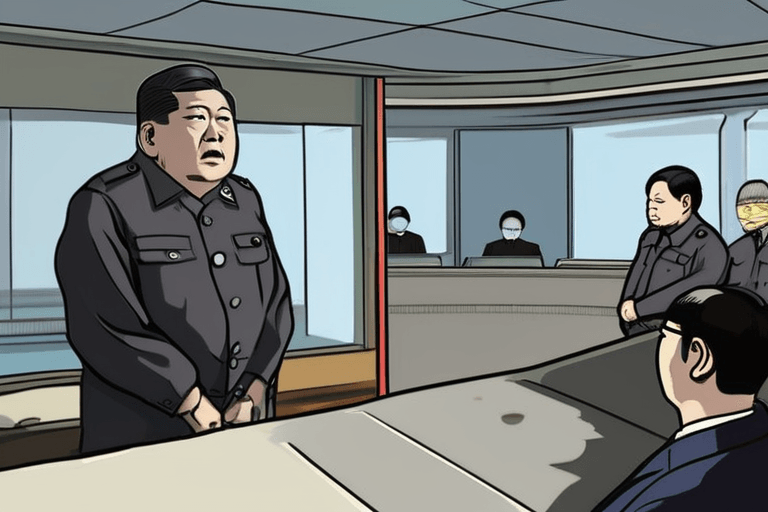
Prosecutors in South Korea have requested the death penalty for former President Yoon Suk Yeol, who is accused of attempting to impose martial law in December 2024. The request was made during closing arguments in Yoon's trial in Seoul, where he faces charges of leading an insurrection, according to Seoul correspondent Jake Kwon and Koh Ewe.
The charge stems from Yoon's alleged attempt to establish military rule, an action that triggered political upheaval in South Korea despite lasting only a few hours. Subsequently, parliament impeached Yoon, leading to his detention and trial.
Yoon has refuted the accusations, claiming that his declaration of martial law was merely a symbolic act intended to highlight the alleged misconduct of the opposition party. Leading an insurrection is a grave offense in South Korea, punishable by death or life imprisonment. Under the country's legal framework, prosecutors were required to request one of these two sentences from the judge.
The trial highlights the complexities of applying artificial intelligence (AI) in legal proceedings. AI-powered tools could potentially analyze vast amounts of legal data to identify precedents and assist in sentencing recommendations. However, the ultimate decision rests with human judges, who must consider the nuances of each case and the potential for bias in AI algorithms. This case underscores the ongoing debate about the role of AI in the justice system and the importance of ensuring fairness and transparency.
South Korea has not carried out an execution in nearly three decades. The last execution occurred in 1996, involving former military dictator Chun Doo-hwan. The current legal proceedings against Yoon are unfolding against this backdrop, raising questions about the potential for a shift in the country's stance on capital punishment. The court is expected to deliver its verdict in the coming weeks.



















Discussion
Join the conversation
Be the first to comment