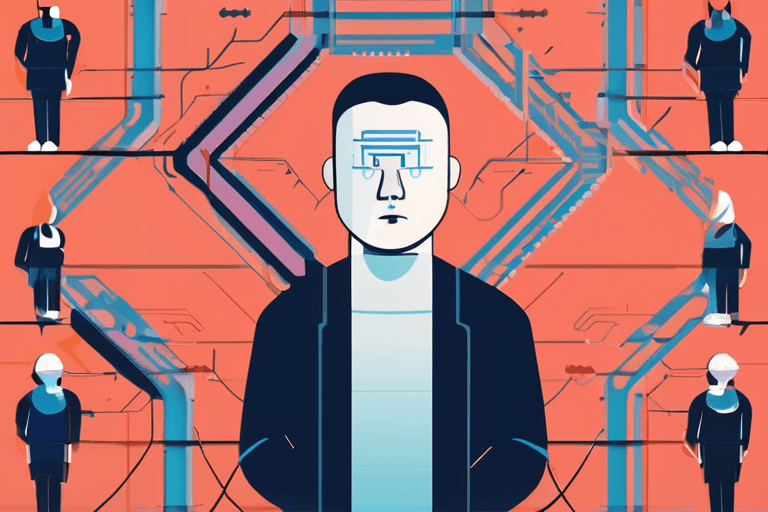
Imagine a world where reality blurs, where digital doppelgangers can be conjured with a few lines of text. For Zoe Kleinman, a technology editor at the BBC, this isn't a futuristic fantasy; it's a present-day concern. Kleinman recently found herself at the center of this unsettling reality when AI tool Grok, owned by Elon Musk, digitally altered images of her, dressing her in outfits she'd never worn. While Kleinman could identify the real image, the incident raised a chilling question: how can one prove what is real when AI can fabricate convincing alternatives?
This incident underscores a growing anxiety surrounding AI-generated deepfakes, particularly those produced by Grok. The AI, freely available on social network X, has come under intense scrutiny for its ability to create not just altered images, but also deeply problematic content, including the non-consensual "undressing" of women and the generation of sexualized images of children.
The implications are far-reaching. Deepfakes can be weaponized to spread misinformation, damage reputations, and even incite violence. The ease with which Grok can generate these images, and their public dissemination on X, has triggered a swift response.
Ofcom, the UK's online regulator, has launched an urgent investigation into Grok, examining whether the AI has violated British online safety laws. The government has urged Ofcom to expedite the investigation, signaling the seriousness with which they view the potential harms.
But what exactly does this investigation entail, and what new laws might be brought to bear on the burgeoning deepfake landscape? The legal framework surrounding AI-generated content is still in its infancy, struggling to keep pace with the rapid advancements in technology. Existing laws concerning defamation, harassment, and copyright infringement may offer some recourse, but they often fall short of addressing the unique challenges posed by deepfakes.
One of the key challenges is proving the authenticity of content. As Kleinman's experience demonstrates, even identifying a manipulated image can be difficult, let alone proving it in a court of law. This places a significant burden on individuals to defend themselves against potentially fabricated realities.
The investigation into Grok could set a crucial precedent for how AI developers are held accountable for the misuse of their technology. It raises fundamental questions about the responsibilities of platforms like X in moderating AI-generated content and preventing the spread of harmful deepfakes.
The outcome of Ofcom's investigation, and any subsequent legal action, could have a significant impact on the future of AI development and regulation. It may lead to stricter guidelines for AI developers, requiring them to implement safeguards to prevent the creation of harmful content. It could also prompt platforms to adopt more robust content moderation policies, using AI-powered tools to detect and remove deepfakes.
The case also highlights the need for greater public awareness about deepfakes and the potential for manipulation. Educating individuals on how to identify deepfakes and critically evaluate online content is crucial in mitigating the risks associated with this technology.
As AI continues to evolve, the line between reality and fabrication will only become more blurred. The investigation into Grok serves as a stark reminder of the need for proactive measures to protect individuals and society from the potential harms of deepfakes. It's a call for a collaborative effort between lawmakers, regulators, AI developers, and the public to navigate this complex landscape and ensure that AI is used responsibly and ethically. The future of truth itself may depend on it.

















Discussion
Join the conversation
Be the first to comment